
Search
A main challenge identified by youth during exercise and sport is the lack of knowledge and awareness around type 1 diabetes (T1D) particularly in community sport settings. Working with youth living with T1D, parents and community sport coaches, our team has developed resources for the T1D and sporting community. This study was to evaluate the acceptability and usability of the resources.
Promoting healthy eating and physical activity in early childhood education and care is recommended within guidelines and supported by health promotion programs; however, implementation is suboptimal. Evidence suggests implementation within the sector varies over time; however, this has not been empirically examined in relation to implementation barriers.
Adaptive behaviour change is central to improving population health, yet poor adoption of health-enhancing behaviours contributes to noncommunicable diseases and so remains a global concern. Research on physical activity behaviour change has continued to expand and evolve since the turn of the millennium, guided by diverse theoretical approaches-from social cognitive theories, organismic dialectical approaches such as Self-Determination Theory, dual-process frameworks, and integrated practical models and taxonomies.
Regular exercise can be beneficial for people living with a severe mental illness. By better understanding the perspectives and challenges of adults with severe mental illness who are engaged in exercise, we can enhance the design and implementation of exercise programs to better support their mental health and recovery.
Regular physical activity and exercise are important for youth and essential components of a healthy lifestyle. For youth with type 1 diabetes, regular physical activity can promote cardiovascular fitness, bone health, insulin sensitivity, and glucose management. However, the number of youth with type 1 diabetes who regularly meet minimum physical activity guidelines is low, and many encounter barriers to regular physical activity.
Patients with cardiovascular disease benefit from cardiac rehabilitation, which includes structured exercise and physical activity as core components. This position statement provides pragmatic, evidence-based guidance for the assessment and prescription of exercise and physical activity for cardiac rehabilitation clinicians, recognising the latest international guidelines, scientific evidence and the increasing use of technology and virtual delivery methods.
Examine the reliability of field-based fitness assessments in school-aged children with emotional or behavioral difficulties (EBD). Understanding the impact of fitness on physical activity participation for children with EBD is limited by our ability to reliably measure it.
This study adds to the current literature by using a novel device-based method to explore where preschool children are physically active outside of home and childcare settings. This study combined accelerometry with geospatial data to explore the influence of the environment on preschool children's physical activity by objectively identifying the locations where preschool children engage in moderate to vigorous physical activity (MVPA) within and outside of their neighborhood.
The incidence of mental illness is greatest among young adults, and those enrolled in higher education may be particularly vulnerable compared to the general young adult population. Many higher education institutions employ student support staff tasked with implementing strategies to improve student wellbeing and mental illness.
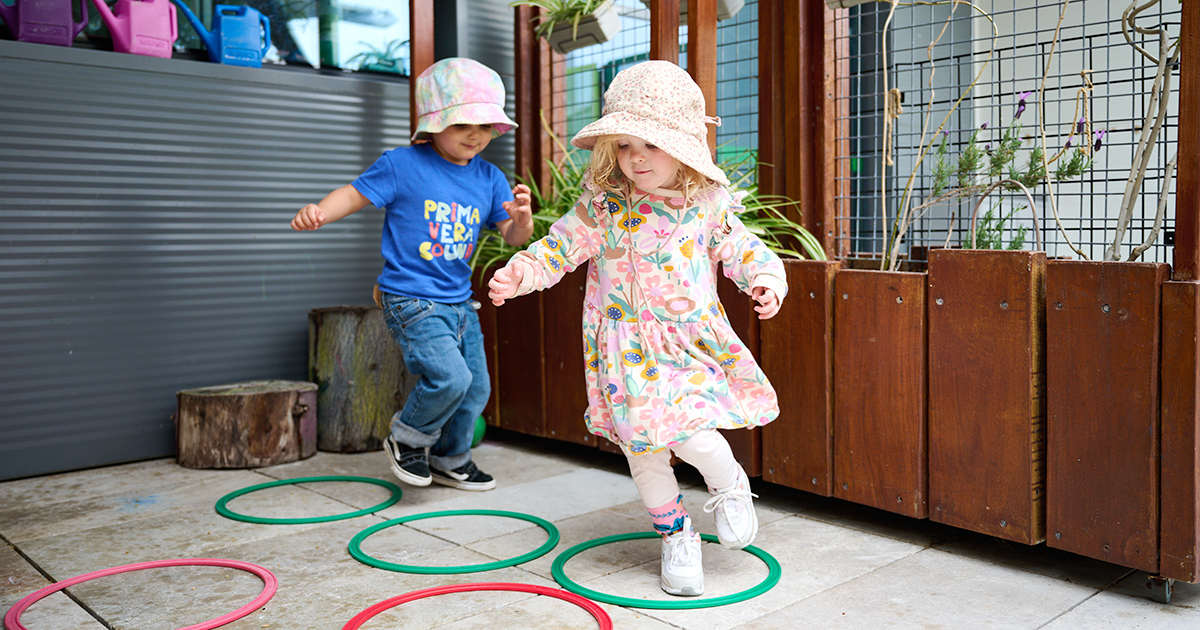
Did you know our research shows that less than 20 per cent of young Australian children get enough energetic play each day? Many children are spending more time sitting still or on screens, and not enough time moving, exploring and playing, which is fundamental to their healthy development.