
Search
To describe writhing General Movements Assessment (GMA) classification and General Movement Optimality Score-Revised (GMOS-R) profiles in the general population; to explore relationships between GMOS-R scores and GMA classification, age of assessment and infant socio-demographic factors; and to establish the inter-rater reproducibility of writhing age GMA classification and GMOS-R.
CONNECT-CP aims to diagnose cerebral palsy (CP) earlier and ensure all children in Western Australia (WA) have access to early assessment and support.
CP Movetime aims to establish and test a technology-based application to improve health outcomes by monitoring device measured sedentary behaviours in non-ambulant children and youth with cerebral palsy.
The Early Moves study is investigating whether a baby’s early movements can predict learning difficulties later in childhood.
ENVISAGE is a validated evidence-based program of facilitated group workshops for parents and carers of young children, aged 0-8 years, with a newly identified disability or who have concerns regarding their child’s development.
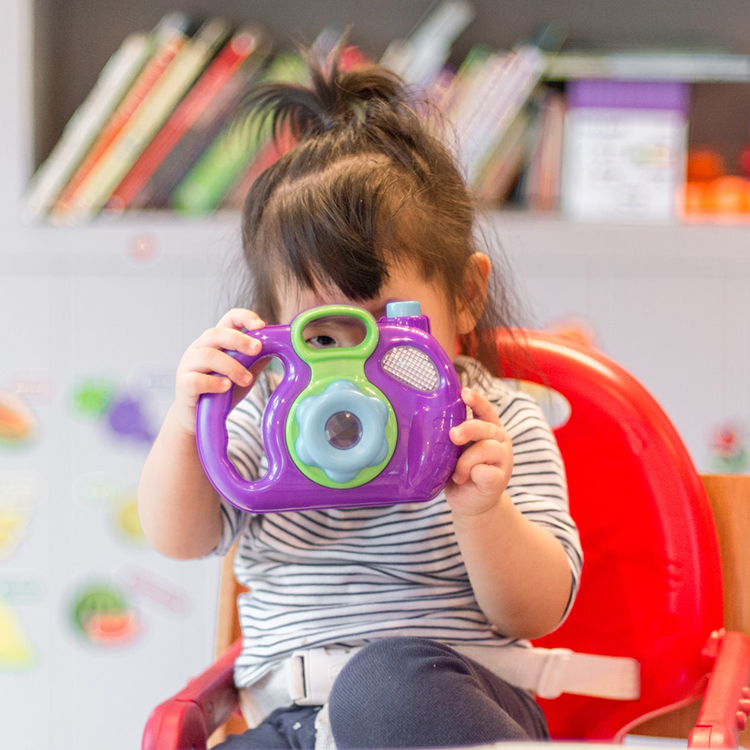
Kids Rehab WA is an integrated team of clinicians and researchers who deliver and research therapies for children with acquired or congenital neurological impairments, leading to improved outcomes for children and their families.
Primary (or elementary) school teachers are often relied upon to provide children with opportunities for physical literacy development; however, many of these teachers feel they lack the skills to effectively promote or ‘teach’ physical literacy.
Hemiplegic cerebral palsy (hCP) typically impacts sensorimotor control of the hand, but comprehensive assessments of the hands of children with hCP are relatively rare. This scoping review summarizes the development of hand function for children with hCP.
Aim: To report prospective longitudinal data of early vocaliszations of infants identified “at-risk” of cerebral palsy (CP) for early identification of communication impairment. This case-control longitudinal prospective cohort study reports on the assessment of 36 infants.
Congenital hemiplegia is the most common form of cerebral palsy (CP). Children with unilateral CP show signs of upper limb asymmetry by 8 months corrected age (ca) but are frequently not referred to therapy until after 12 months ca. This study compares the efficacy of infant-friendly modified constraint-induced movement therapy (Baby mCIMT) to infant friendly bimanual therapy (Baby BIM) on upper limb, cognitive and neuroplasticity outcomes in a multisite randomised comparison trial.