
Search
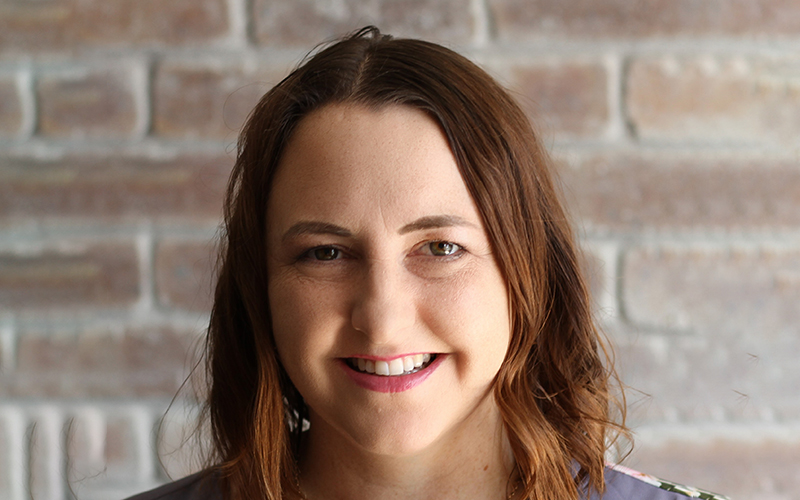
A The Kids Research Institute Australia ear health researcher has received a prestigious national fellowship to support her search for new therapies to improve the lives of kids who suffer repeat middle ear infections.
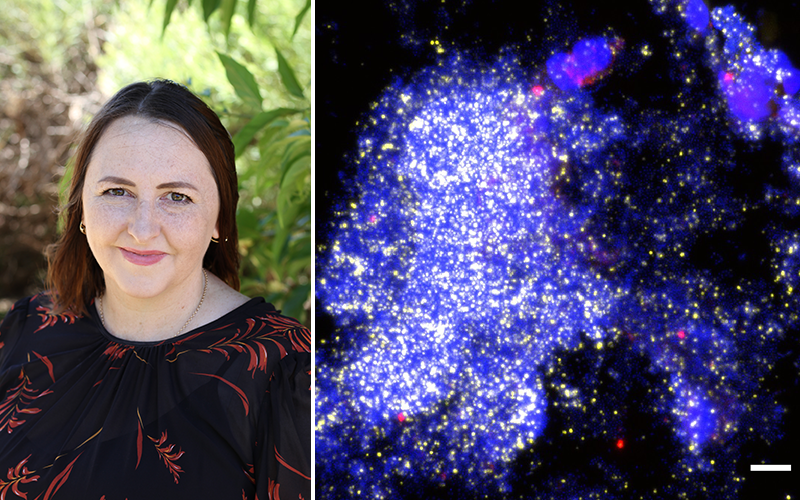
Researchers using powerful microscopes have identified bacterial slime in the lungs of some children with persistent wet coughs.
Researchers leading a study into COVID-19 vaccine hesitancy say a sub-group of people they’ve dubbed the ‘wait awhiles’

Top infectious disease experts in Australia will lead a clinical trial to determine whether combining different Covid-19 vaccines in the nation’s booster immunisation will increase effectiveness.

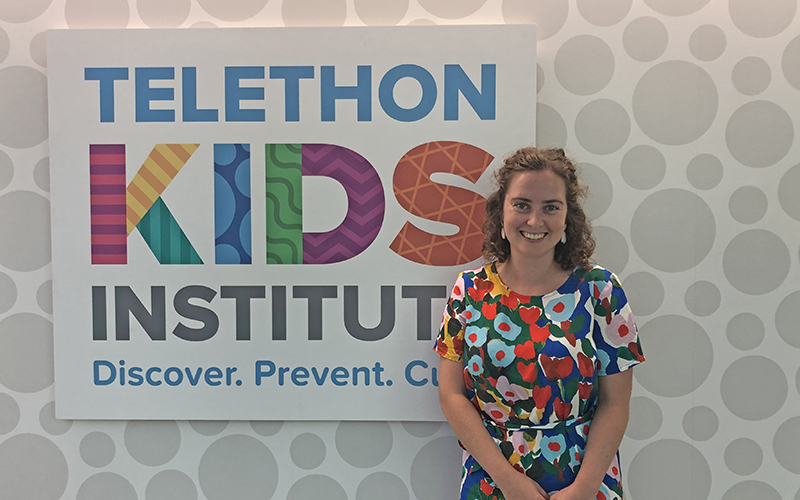
A The Kids researcher focused on ensuring kids are protected from infectious diseases will be named among WA’s most outstanding young scientists at the upcoming 2021 Young Tall Poppy Science Awards.
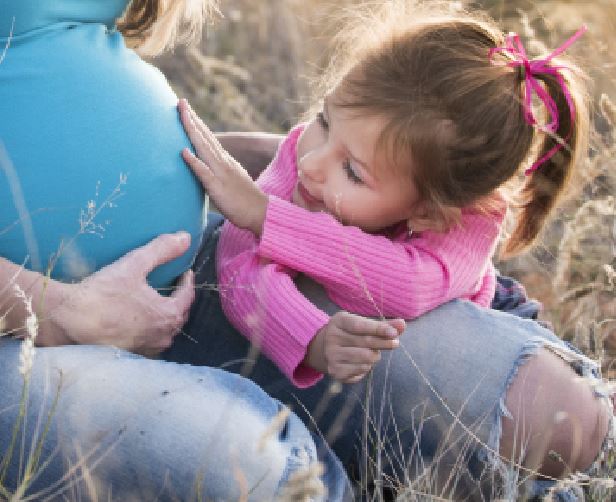
The Kids Research Institute Australia researchers leading the Western Australian site of a global respiratory syncytial virus (RSV) study can now fine-tune development of a world-first vaccine for pregnant mothers.
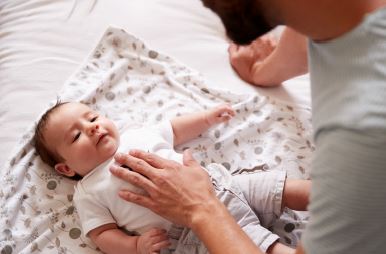
Babies worldwide could have access to life-saving influenza vaccinations from just eight weeks of age thanks to researchers at The Kids Research Institute Australia and the generous support of the Telethon community.
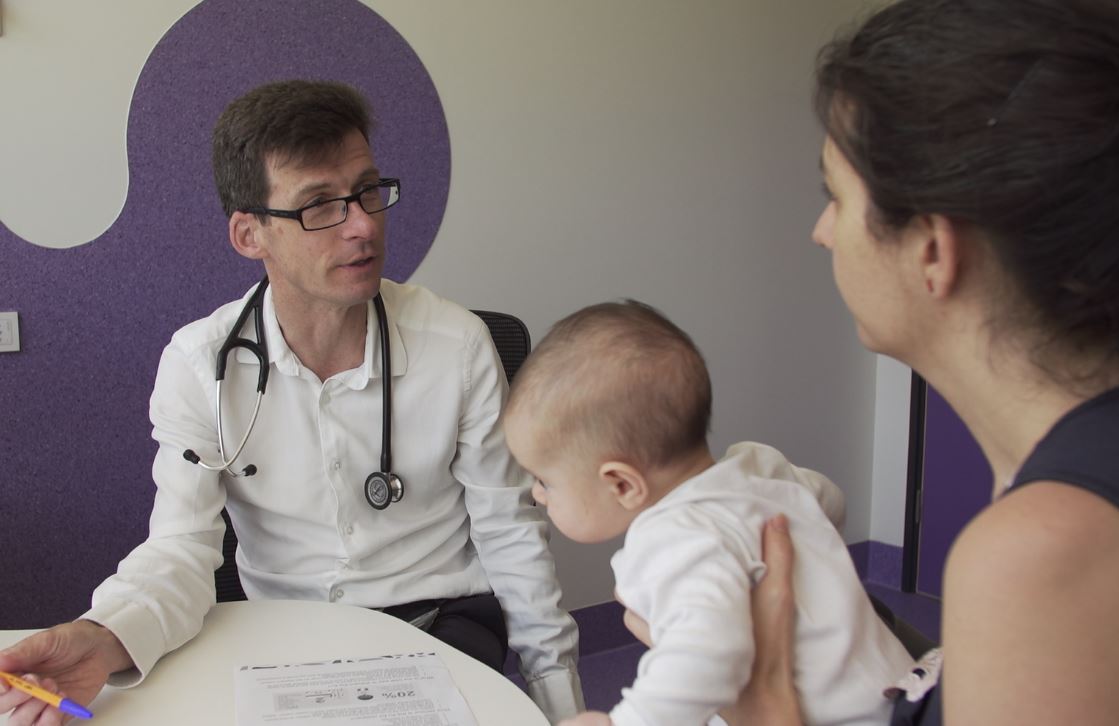
As the world waits for a COVID-19 vaccine Perth researchers are getting one step ahead – embarking on a new study designed to prepare parents and government for a potential Australia-wide vaccination program.

The situation with COVID-19 is constantly evolving, and there is an extraordinary amount of information circulating which can be both overwhelming and difficult to navigate.
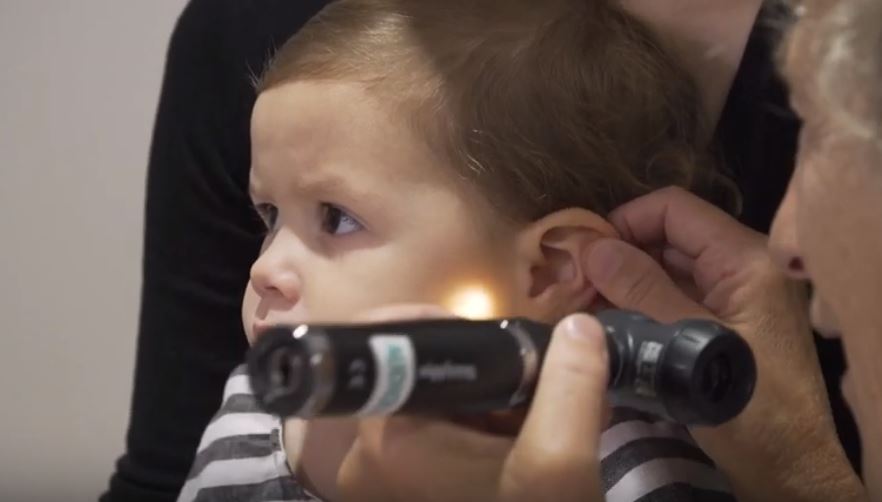
Researchers from The Kids Research Institute Australia have identified the main bacteria responsible for recurrent ear infections and repeat ear surgeries in children.