
Search
Sickle cell disease (SCD) is an inherited red blood cell disease that results in a multitude of medical complications, including an increased risk of invasive disease caused by encapsulated bacteria, such as Streptococcus pneumoniae. Pneumococcal vaccines have contributed to a significant reduction in pneumococcal disease (PD) in children and adults, including those with SCD. This phase 3 study evaluated the safety and immunogenicity of V114, a 15-valent pneumococcal conjugate vaccine, in children with SCD.
Sickle cell disease (SCD) is an inherited red blood cell disease that results in a multitude of medical complications, including an increased risk of invasive disease caused by encapsulated bacteria, such as Streptococcus pneumoniae. Pneumococcal vaccines have contributed to a significant reduction in pneumococcal disease (PD) in children and adults, including those with SCD. This phase 3 study evaluated the safety and immunogenicity of V114, a 15-valent pneumococcal conjugate vaccine (PCV), in children with SCD.
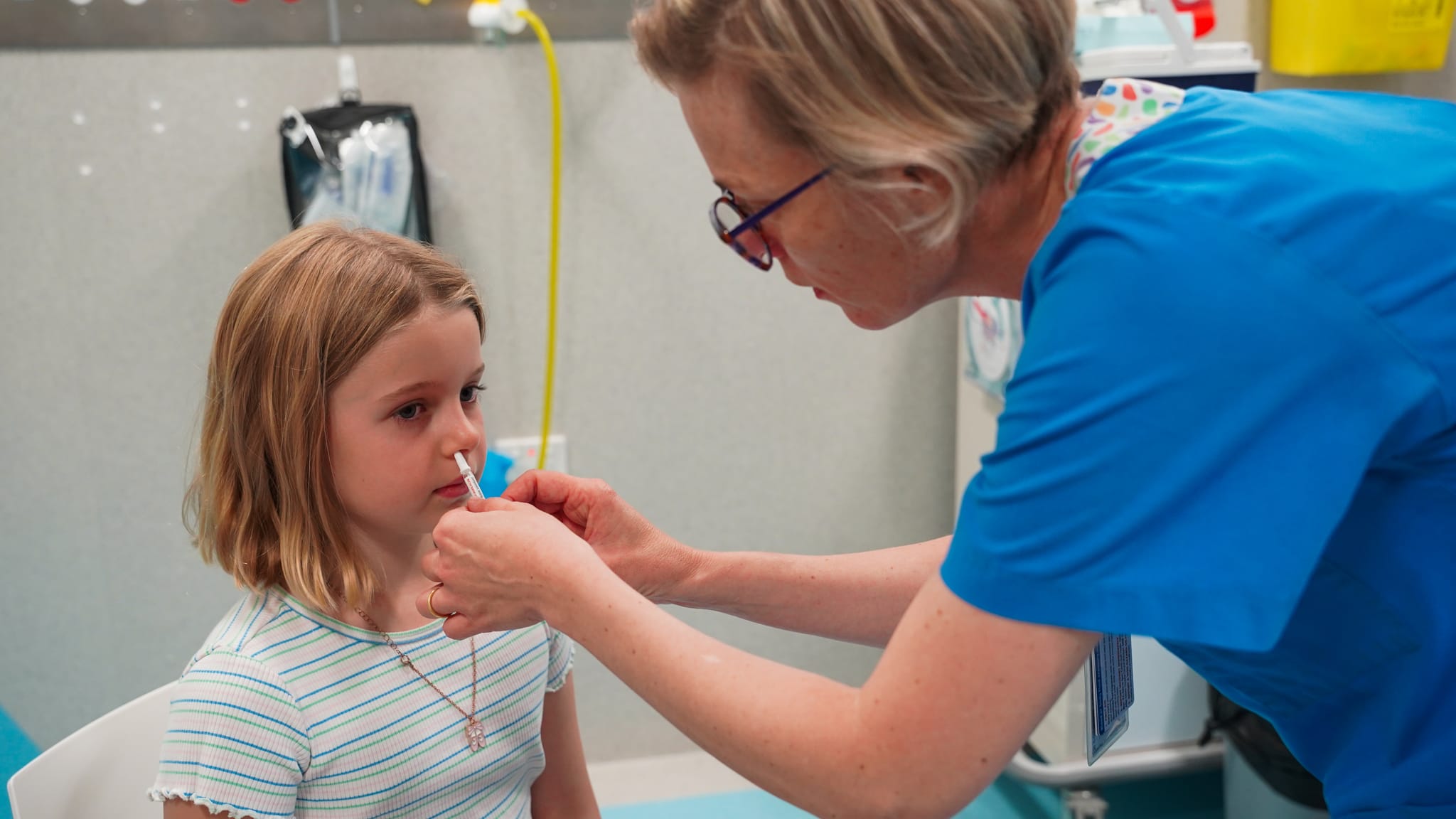
Influenza (commonly known as the flu) is caused by a highly contagious virus spread mainly through coughing and sneezing. An annual flu vaccination is the most effective way to prevent flu outbreaks.

Whooping cough (pertussis) is a highly contagious respiratory infection which causes a severe cough and can be particularly dangerous to babies under a year old. Vaccination is the best way to reduce the risk of whooping cough.
Post-acute sequelae of COVID-19 (PASC), or long COVID, are a public health concern. While most recover from SARS-CoV-2 infections within weeks, some experience persistent symptoms. Here, we quantified the association between repeated SARS-CoV-2 infections and the risk of hospital-diagnosed PASC.
Two RSV immunisations products: a maternal vaccine, Abrysvo, and a long-acting monoclonal antibody, nirsevimab, both designed to prevent RSV illness in infants, have recently become available. Modelling evidence is required to inform how to optimally use these products in immunisation programs to reduce the burden of RSV in young children.
Burkholderia pseudomallei is a facultative intracellular pathogen and the causative agent of melioidosis. Treatment of this deadly infection is both protracted and limited to only a select number of antibiotics. Not only can patients suffer adverse reactions to prolonged therapy, but resistance has also been reported in several clinical isolates.
This study quantifies the short-term risk profiles of seven severe acute respiratory syndrome coronavirus 2 virus (SARS-CoV-2) vaccines-Comirnaty Bivalent BA.1, Comirnaty Bivalent BA.4-5, Comirnaty XBB.1.5, Spikevax Bivalent BA.1, Spikevax Bivalent BA.4-5, Spikevax XBB.1.5 and Nuvaxovid-administered as booster doses in Australia.
Rhinoviruses (RV) are the most common respiratory viruses globally and a major cause of airway symptoms in children and individuals with asthma. Although more than 170 RV types exist across 3 species (RV-A, RV-B, RV-C), type-specific circulation patterns and age-related prevalence remain poorly defined.

Pneumococcal – a bacterial infection that can cause pneumonia and meningitis – is responsible for 1000s of hospital admissions in Australia each year, many of them children.