
Search
First Nations women often experience harmful, inequitable maternity care, shaped by intergenerational trauma and culturally unsafe care. Historical forced removal of First Nations children has created enduring trauma that influences pregnancy and birthing experiences. In the Australian Capital Territory, maternity care is provided through Western biomedical systems, where increasing child protection interventions and fear of surveillance affect women's engagement with care.
Immunomodulatory proteins in human milk (HM) can shape infant immune development. However, strategies to modulate their levels are currently unknown. This study investigated whether maternal prebiotic supplementation alters the levels of immunomodulatory proteins in HM.
Positive maternal mental health during the perinatal period contributes to general well-being and positive emotional bonds with the child, encouraging an optimal developmental trajectory. Online interventions to enhance maternal well-being and develop coping skills, such as meditation-based interventions, can be a low-cost way to improve mother and child outcomes.
Vaccination in pregnancy is the best strategy to reduce complications from influenza or pertussis infection in infants who are too young to be protected directly from vaccination. Pregnant women are also at risk of influenza complications preventable through antenatal vaccination. Both vaccines are funded under the National Immunisation Program for pregnant women in Australia, but coverage is not routinely reported nationally.
Adverse pregnancy outcomes including maternal mortality, stillbirth, preterm birth, intrauterine growth restriction cause millions of deaths each year. More effective interventions are urgently needed. Maternal immunization could be one such intervention protecting the mother and newborn from infection through its pathogen-specific effects.
Influenza and COVID-19 infections during pregnancy may have serious adverse consequences for women as well as their infants. However, uptake of influenza and COVID-19 vaccines during pregnancy remains suboptimal. This study aims to assess the effectiveness of a multi-component nudge intervention to improve influenza and COVID-19 vaccine uptake among pregnant women.
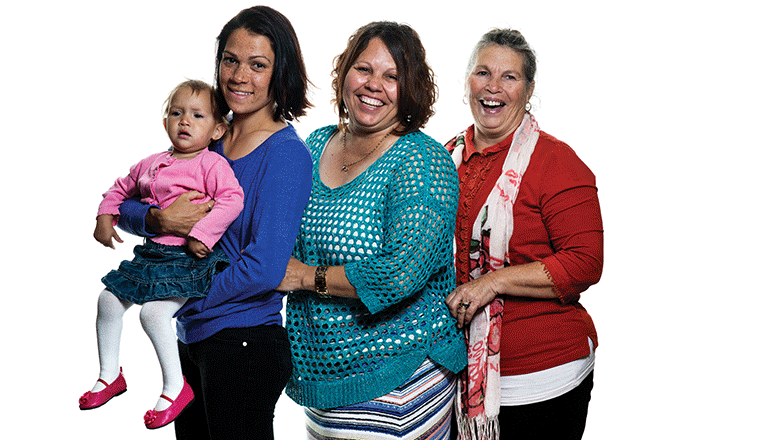
A study by researchers at The Kids Research Institute Australia has found Aboriginal mothers are at a significantly greater risk of preventable death than other Australia
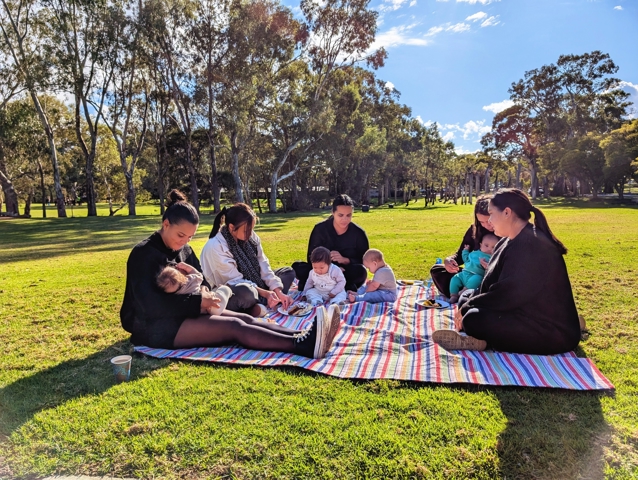
A group of 19 Aboriginal women from South Australia, along with researchers from The Kids Research Institute Australia, have developed a culturally responsive, evidence-based model of care to support Aboriginal women with cardiometabolic complications in pregnancy in SA.
Infant allergy is the most common early manifestation of an increasing propensity for inflammation and immune dysregulation in modern environments. Refined low-fibre diets are a major risk for inflammatory diseases through adverse effects on the composition and function of gut microbiota. This has focused attention on the potential of prebiotic dietary fibres to favourably change gut microbiota, for local and systemic anti-inflammatory effects.
Consumption of a Mediterranean diet (MD) has been associated with reduced incidence of non-communicable diseases and reduced overall mortality, with epigenomic effects representing plausible mediators. The aim of this pilot study was to explore potential epigenetic associations between DNA methylation markers in blood and adherence to an MD in pregnancy.