
Search
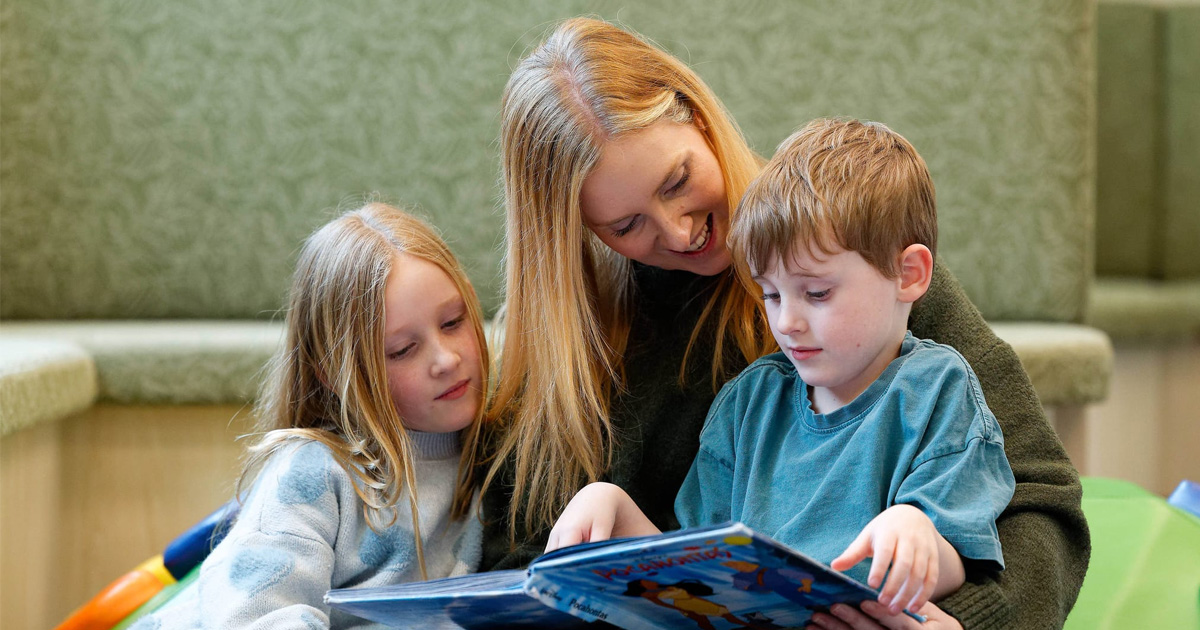
Walk through the jungle, hunt for the bear, or do the animal bop this Book Week! Acting out stories is a wonderful way to encourage active play with your child.
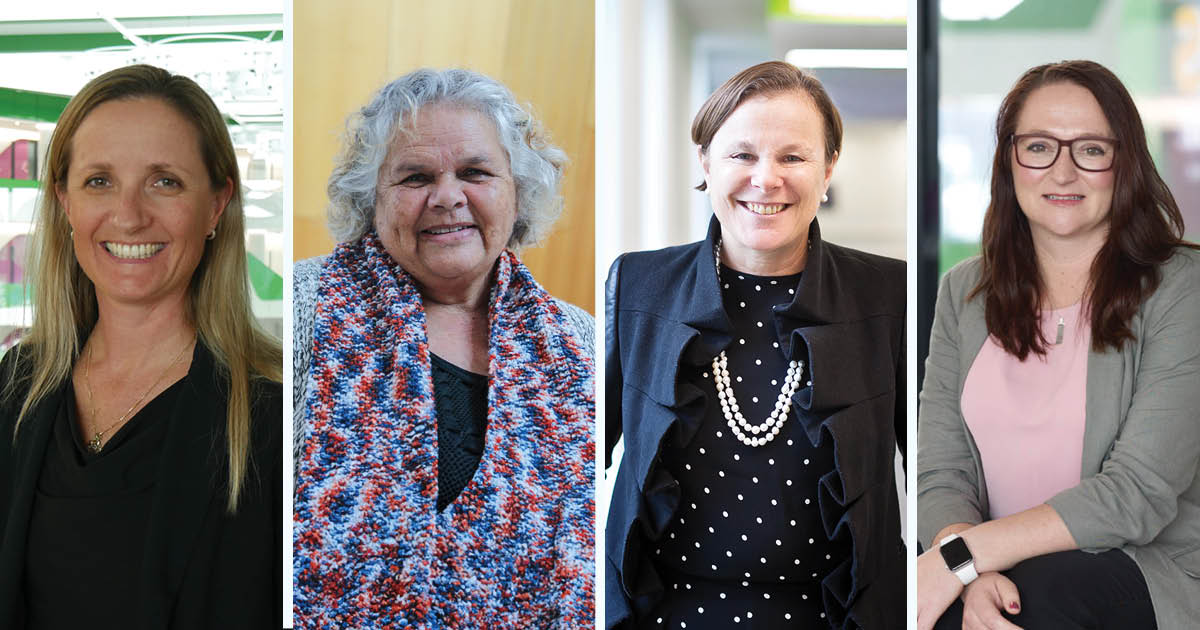
Four outstanding members of The Kids Research Institute Australia family – three researchers and an Aboriginal Elder co-researcher – have been named in the Australia Day Honours List for their outstanding service to research and the community.
Nurturing children's health together: A collaboration between early childhood education and care (ECEC) educators and parents on active play and eating well
The observed decline in children's active school transport (AST) across numerous countries over recent decades necessitates targeted, multi-level interventions to reverse this trend. However, data on young people's preferred AST interventions is lacking. This study aimed to explore children's preferences for AST interventions and assess differences between AST users and non-users among primary and secondary school students.
Participation in sport is associated with a range of physical, psychological, and social benefits. However, children in out-of-home care face complex barriers to sport participation, with lower participation rates than children in other household arrangements.
Dog ownership is a potential strategy for maintaining physical activity levels and supporting healthy aging. This study examined longitudinal effects of dog ownership and dog walking on physical activity and mental health in mid-to-older aged adults.
People living with severe mental illness have a reduced life expectancy when compared to the general population largely due to physical health comorbidities. Exercise is a valuable, evidence-based component of mental healthcare, with positive effects on physical health, mental health, and quality of life.
The prevalence estimates of physical activity, sedentary behavior, and sleep (collectively known as movement behaviors) in 3- and 4-year-old children worldwide remains uncertain.
Despite there being an increasing number of applied flow studies across scientific disciplines, there exists no consistent or broadly applicable intervention to promote flow experiences. This study provides a detailed account of a new educational flow training program developed following recent advancements in the flow literature that have provided a more parsimonious understanding of flow experiences and antecedents.
Being physically active is critical for healthy ageing, yet many older people do not meet physical activity guidelines. The aim of this study was to test the relative effectiveness of five previously identified campaign slogans designed to encourage older people to be more physically active: 'Be active 30-60 minutes a day to stay fit and well'; 'Move more, live longer'; 'Stay fit to stay functional'; 'This is your time - enjoy being strong and active'; and 'Use it or lose it'.