
Search
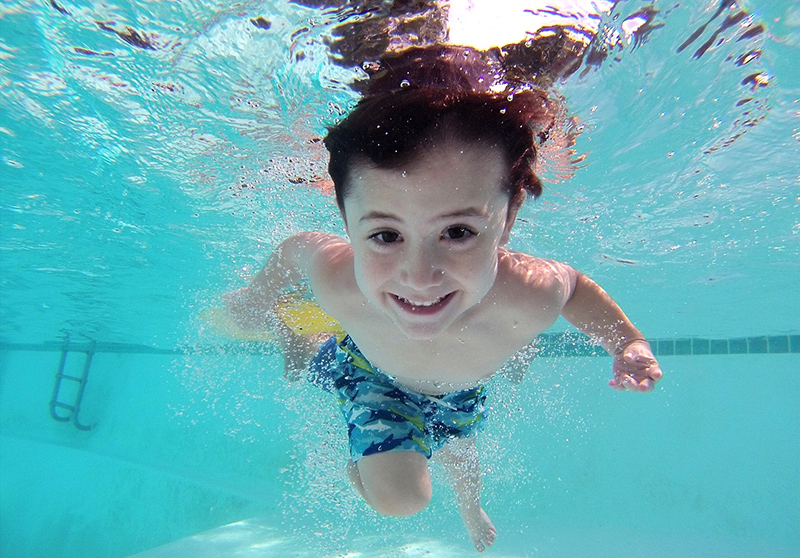
Check out our top tips for travelling with an ear infection so that the kids can fly safely and hit the pool in no time.

Researchers have found kids who experience repeat ear infections in infancy have a much higher risk of ongoing problems with ear infections in later childhood
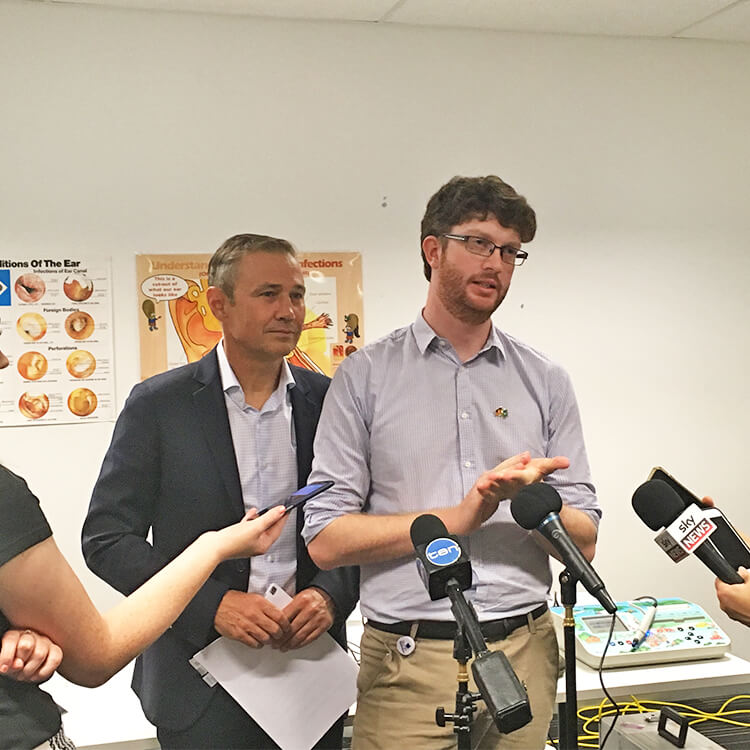
Wait times for Aboriginal children suffering ear infections could be reduced to less than four weeks thanks to a new The Kids Research Institute Australia research project
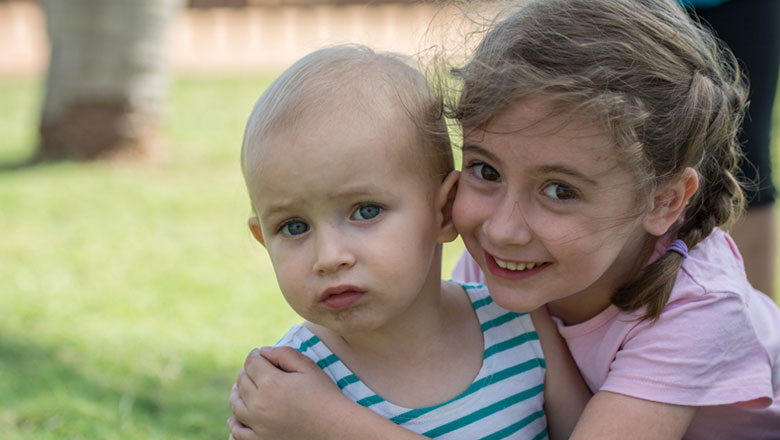
Consumers and community members are invited to join us to provide input into our childhood infectious diseases research.
Latest news & events at the Wesfarmers Centre of Vaccines & Infectious Diseases.
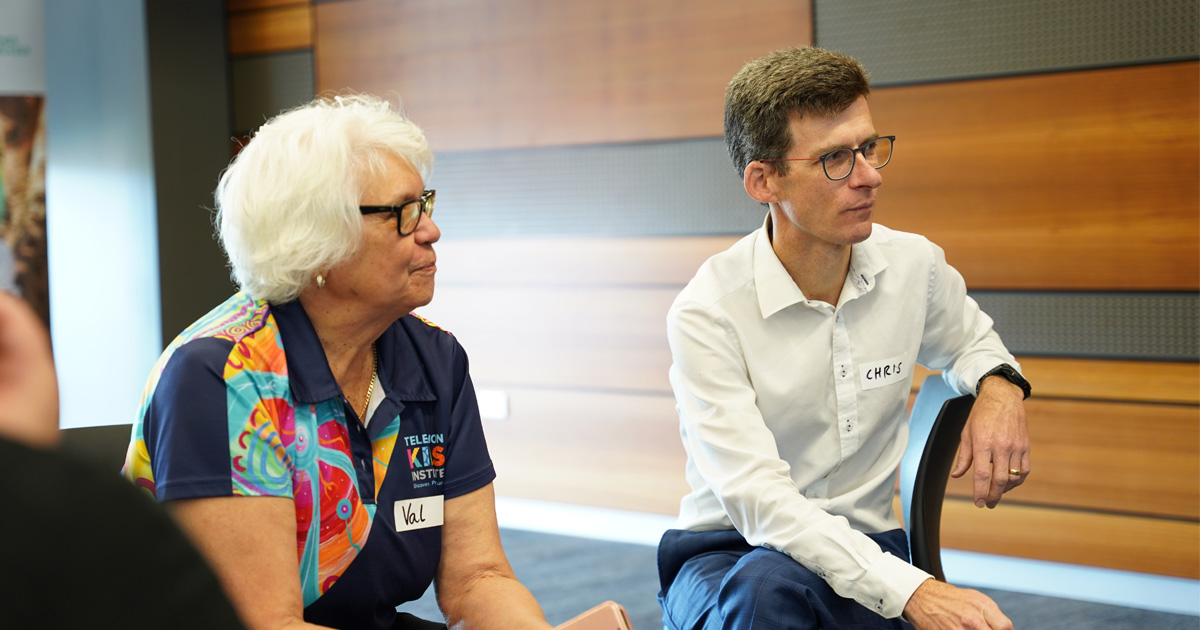
Researchers from the Wesfarmers Centre of Vaccines and Infectious Diseases at The Kids Research Institute Australia have shared their expertise with the community in Cockburn, covering topics ranging from respiratory disease in babies to recurring ear infections in kids.
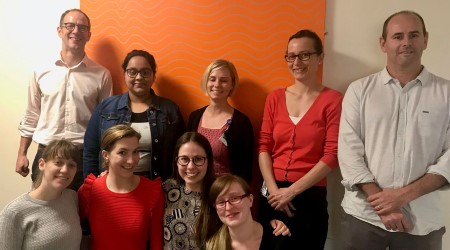
Clinical Professor Tobias Strunk, Dr Andrew Currie and their Neonatal Infection and Immunity Team have become the newest members of the Wesfarmers Centre of Vaccines and Infectious Diseases.
We identified several novel candidate genes which warrant further analysis in cohorts matched more precisely for clinical phenotypes.
Both bacteria and viruses play a role in the development of acute otitis media, however, the importance of specific viruses is unclear.
We investigated predictors of nasopharyngeal carriage in Australian Aboriginal and non-Aboriginal children.