
Search
It has been suggested that quantitative measures of differential hand skill or reaching preference may provide more valid measures than traditional...
This research explored the relationship between the broader autism phenotype (BAP) among parents, an index of genetic liability for ASD, and proband...
The emergence of language during the toddler period is one of the most striking accomplishments in young children's development.
Preliminary evidence suggests that prenatal testosterone exposure may be associated with language delay.
The current study sought to determine whether gestational hypertension and pre-eclampsia are associated with neurocognitive outcomes in middle childhood.
Language is one of the most remarkable developmental accomplishments of early childhood. Language connects us with others and is an essential tool for literacy, education, employment and lifelong learning.
Natural Language Sampling (NLS) offers clear potential for communication and language assessment, where other data might be difficult to interpret. We leveraged existing primary data for 18-month-olds showing early signs of autism, to examine the reliability and concurrent construct validity of NLS-derived measures coded from video-of child language, parent linguistic input, and dyadic balance of communicative interaction-against standardised assessment scores. Using Systematic Analysis of Language Transcripts (SALT) software and coding conventions, masked coders achieved good-to-excellent inter-rater agreement across all measures.
The aim of this research note is to encourage child language researchers and clinicians to give careful consideration to the use of domain-specific tests as a proxy for language; particularly in the context of large-scale studies and for the identification of language disorder in clinical practice.
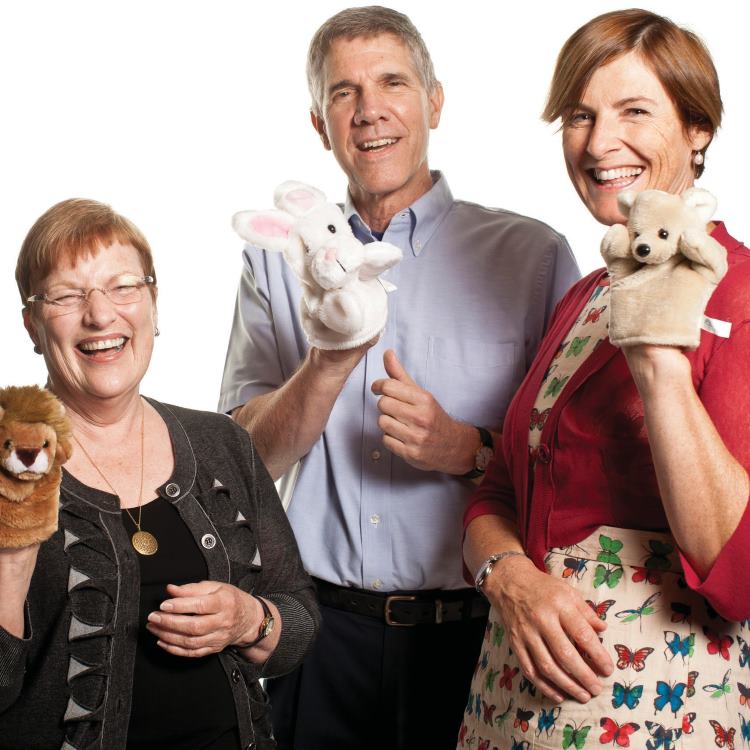
A joint initiative between The Kids Research Institute Australia, The University of Western Australia, the University of Kansas and Nebraska University, it is the world’s only study to conduct such a detailed assessment of language and literacy development from infancy through the formative adolescent years.
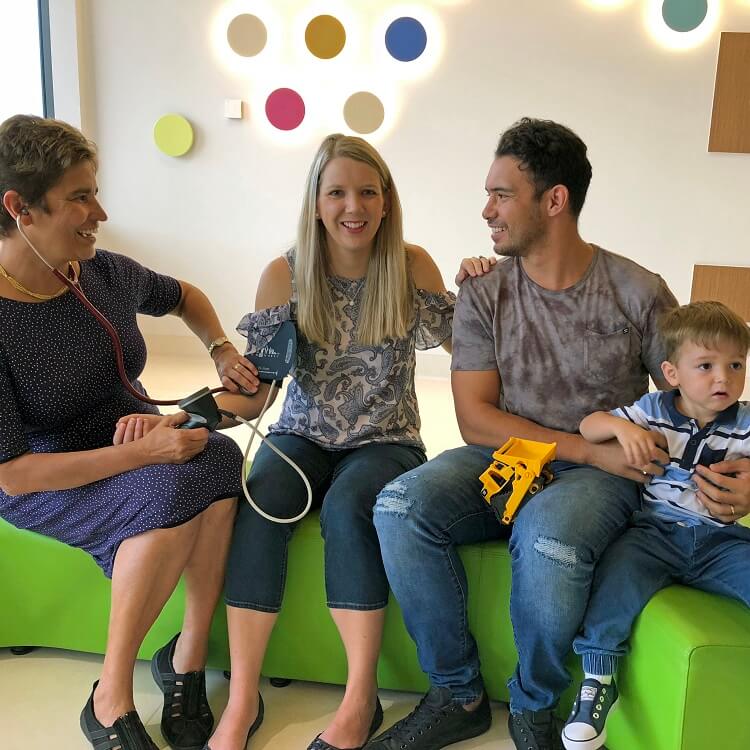
ORIGINS, a collaboration between The Kids and the Joondalup Health Campus, has achieved a major milestone – recruiting its 1000th family.