Search
Immune checkpoint blockade (ICB) evokes antitumor immunity through the reinvigoration of T cell responses. T cell differentiation status controls response, with less differentiated cells having an enhanced capacity to proliferate after ICB. Given that conventional type 1 dendritic cells (cDC1) maintain precursor exhausted T cells (TPEX), we hypothesized that expansion of cDC1s with Flt3L could enhance responses to ICB.
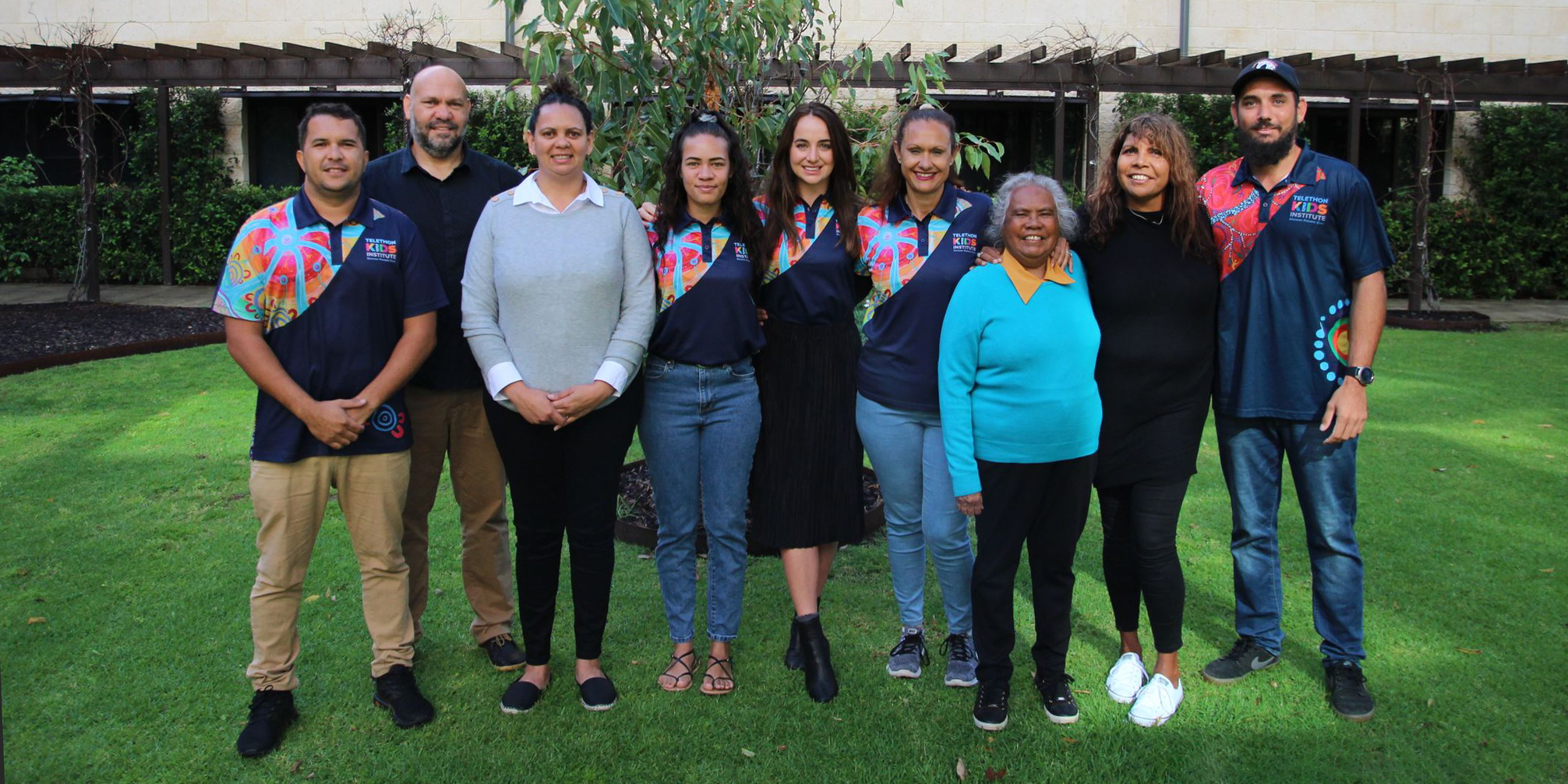
The Education Department of Western Australia advocates for culturally responsive schools. Aboriginal Indigenous Education Officers are employed by schools to facilitate and enable the potential for Aboriginal school children to thrive in school settings.
We investigated the genetic and epigenetic regulation of the UBASH3A gene and its association with early-onset sepsis. Using matched whole blood DNA methylation, gene expression, genotypes, and immune cell counts from the EPIC-HIPC newborn cohort, we report that promoter methylation was negatively correlated with ontogenetic changes in UBASH3A gene expression and circulating CD3+ T-cell numbers.
There is a greater prevalence of multiple sclerosis (MS), a neurological autoimmune condition, in populations living further from the equator, hypothesised to be due to reduced sunlight exposure. There exists a proven sunlight surrogate therapy for dermatological inflammatory conditions, in the form of narrowband NB-UVB phototherapy. Yet, there is a paucity of randomized trials of the therapeutic delivery of NB-UVB beyond dermatology for conditions with a systemic inflammatory component.
Low vitamin D intake and prevalence of serum 25-hydroxyvitamin D concentration <50 nmol/L among Aboriginal and Torres Strait Islander peoples highlight a need for public health strategies to improve vitamin D status. Since few foods contain naturally occurring vitamin D, food fortification could be a suitable strategy. We aimed to model vitamin D food fortification scenarios among Aboriginal and Torres Strait Islander peoples.
Influenza remains an important cause of pediatric morbidity and mortality. Immunisation is critical to prevent hospitalisation and severe disease. The COVID-19 pandemic had far-reaching effects on influenza epidemiology and vaccine use.
Preterm birth is associated with lifelong respiratory sequelae, yet our understanding of lung function trajectories across the lifespan remains limited. We aimed to identify patterns of spirometry development from childhood to early adulthood in survivors of very preterm birth using novel data-driven methods.
Sometimes, there is an urgent need to administer inhaled adrenaline to children, awake, sedated or anaesthetised to treat asthma, bronchospasm, croup, and suspected laryngeal/pharyngeal oedema or stridor, which can become severe or even life-threatening. To better inform emergency dosing and administration guidelines, we aimed to quantify the amount of adrenaline delivered for inhalation from a nebuliser, in a simulated experimental delivery set-up for spontaneously breathing children and adults, either via an anaesthetic face mask, a Laryngeal Mask Airway or an Endotracheal tube.
This study aimed to examine the difference in levels of psychological wellbeing outcomes of binary and non-binary transgender and cisgender students aged 8–18 years in South Australia using population-level data.
In 2024, the government of Western Australia introduced 'nirsevimab', a monoclonal antibody offering protection from respiratory syncytial virus (RSV), for eligible infants. This study explores why parents of infants who were eligible to receive nirsevimab opted to decline or delay the immunisation.