
Search
Despite widespread use of pneumococcal conjugate vaccines (PCVs) in children, morbidity and mortality caused by pneumococcal disease (PD) remain high. In addition, many children do not complete their PCV course on schedule. V114 is a 15-valent PCV that contains two epidemiologically important serotypes, 22F and 33F, in addition to the 13 serotypes present in PCV13, the licensed 13-valent PCV.
The HEAL Network aims to strengthen the Australian health system and community resilience to climate change, extreme events, and environmental degradation.
Every child deserves the best possible start in life. Evidence demonstrates the period from pre-birth to three years is a vital period of development. It lays the foundations for a child’s future and has life-long impacts on health, education, job opportunities, social inclusion and wellbeing.
The importance of play for a child’s development is irrefutable. Playgroups provide a safe environment for children of similar ages to play and develop prior to starting school.
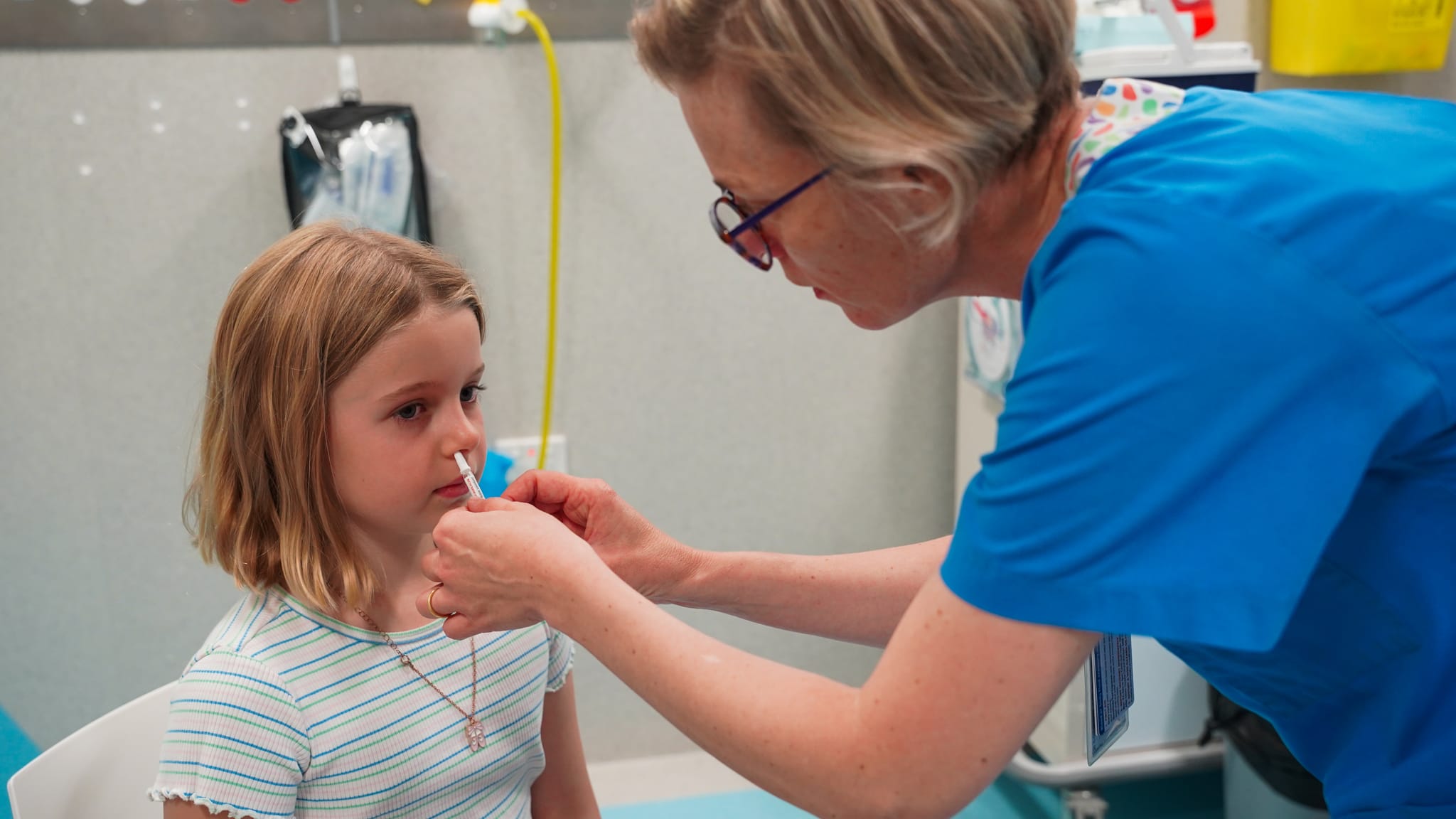
Influenza (commonly known as the flu) is caused by a highly contagious virus spread mainly through coughing and sneezing. An annual flu vaccination is the most effective way to prevent flu outbreaks.

Whooping cough (pertussis) is a highly contagious respiratory infection which causes a severe cough and can be particularly dangerous to babies under a year old. Vaccination is the best way to reduce the risk of whooping cough.
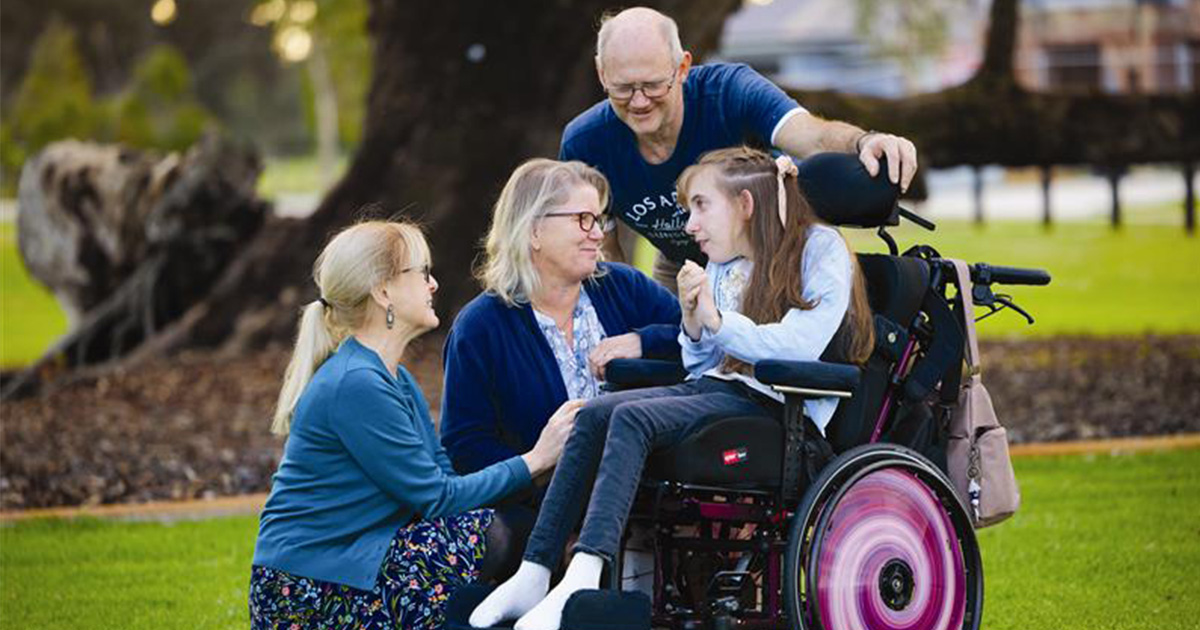
Affecting approximately 400 people in Australia, Rett syndrome is a rare neurological disorder that occurs almost exclusively in girls and affects mobility and development, impacting everything from walking and talking to eating and breathing.
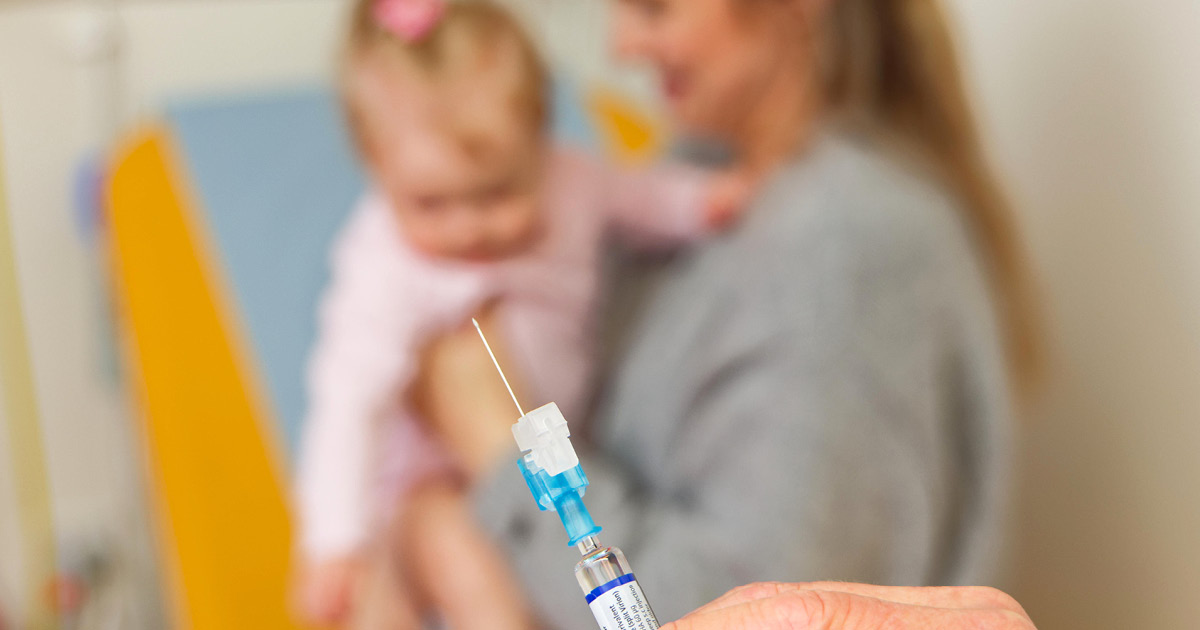
As a leading research site in Australia, the Wesfarmers Centre of Vaccines and Infectious Diseases played an instrumental role in the global effort to develop a world-first RSV immunisation for young babies.
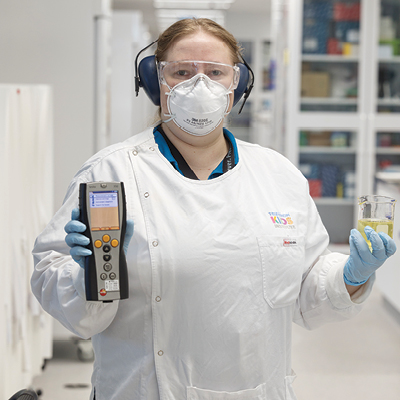
In a world being urged to embrace renewable options, biodiesel fuels are increasingly being touted as a greener, cleaner choice than traditional diesel.
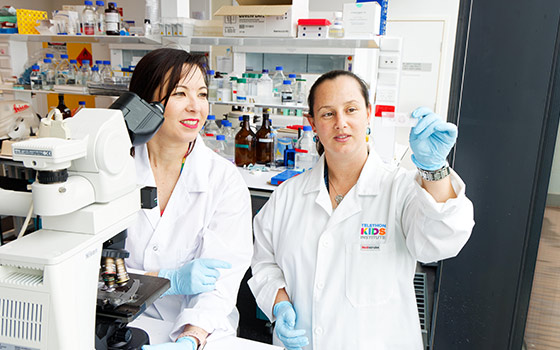
Most laboratory equipment at The Kids Research Institute Australia is owned and maintained by the Institute, in order to make this available for use by all staff and students.