
Search
Adaptations for scale-up are ubiquitous but are rarely described in detail. Adaptations may be a key reason for the "scale-up penalty" which is when there is a reduction in intervention effect size following scale-up. The Play Active intervention consists of a physical activity policy for early childhood education and care (ECEC) services, with accompanying implementation support strategies.
Being physically active is critical for healthy ageing, yet many older people do not meet physical activity guidelines. The aim of this study was to test the relative effectiveness of five previously identified campaign slogans designed to encourage older people to be more physically active: 'Be active 30-60 minutes a day to stay fit and well'; 'Move more, live longer'; 'Stay fit to stay functional'; 'This is your time - enjoy being strong and active'; and 'Use it or lose it'.
Diet and physical activity are two lifestyle behaviours that are critical for healthy ageing. The aim of this study was to explore how older adults negotiate dietary and physical activity decisions to identify areas of intersection between these two behaviours and inform health promotion interventions targeting both diet and exercise.
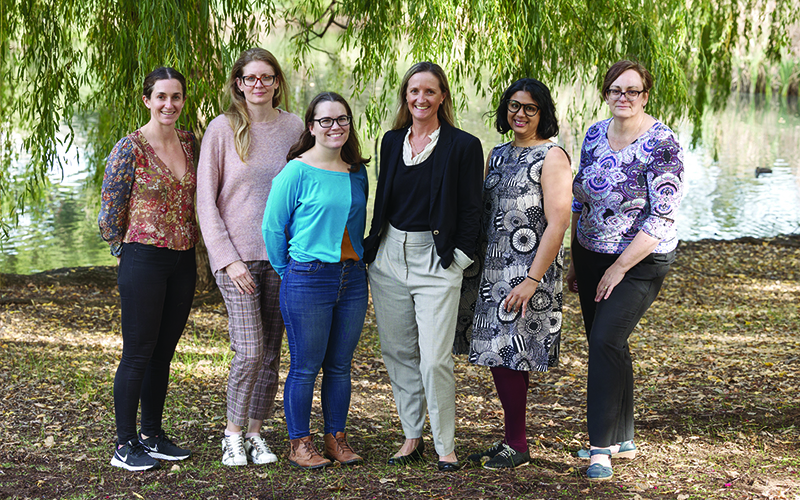
Childcare centres have flocked to take up a new evidence-based policy to help ensure young children get more of the physical activity they need to be healthy and developmentally on track.
The declining mental health of youth in late adolescence and early adulthood represents a serious public health concern, resulting in substantial symptom burden, mortality, and societal cost. Despite this, youth with clinical mental illnesses show poor engagement with mental health services.
Natural outdoor environments such as green and blue spaces have increasingly been seen as key health and wellbeing determinants for adults. However, it is unclear if these effects are seen in young children. We examined the associations between access to natural green and blue space and young children's socioemotional development.
Participation in sport is associated with a range of physical, psychological, and social benefits. However, children in out-of-home care face complex barriers to sport participation, with lower participation rates than children in other household arrangements.
There is no published information on preterm children's activities and participation during middle childhood, a time when growth and development are characterised by increasing motor, reasoning, self-regulation, social and executive functioning skills. This study explored the health, activities and participation of children born very preterm during middle childhood (6-9 years) from the perspectives of their parents.
Trans individuals face elevated health risks and socio-environmental challenges, influencing their engagement in health-protective behaviors (e.g. exercise and nutrition). Despite these challenges, there is a significant gap in understanding the specific eating and exercise experiences of Australian trans adults, including barriers to healthy behaviors and healthcare experiences. This study aims to address this gap by exploring these experiences, informing targeted interventions and healthcare practices to improve health outcomes.
In Australia, there are concerns that unrestricted junk food advertising during sports broadcasts increases short-term junk food consumption among viewers. Therefore, the present study aimed to estimate the impact of junk food and anti-junk food advertising on consumption inclinations.