
Search
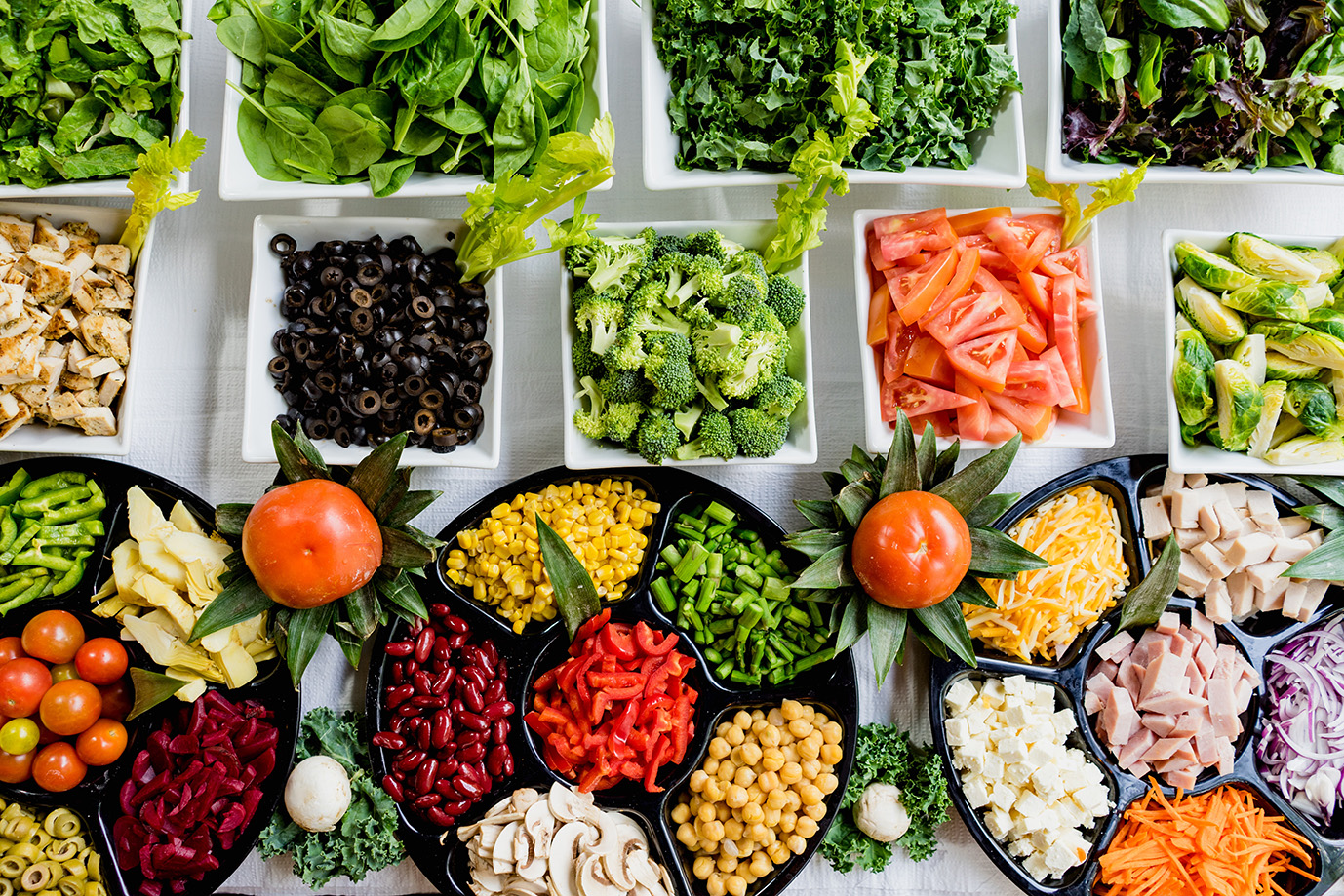
The first Australian study to evaluate the nutritional content of Kids’ Menus at restaurants and cafés has found the overwhelming majority are unhealthy.

Nutrition is important during the COVID-19 pandemic because it can provide both physical and mental health benefits.
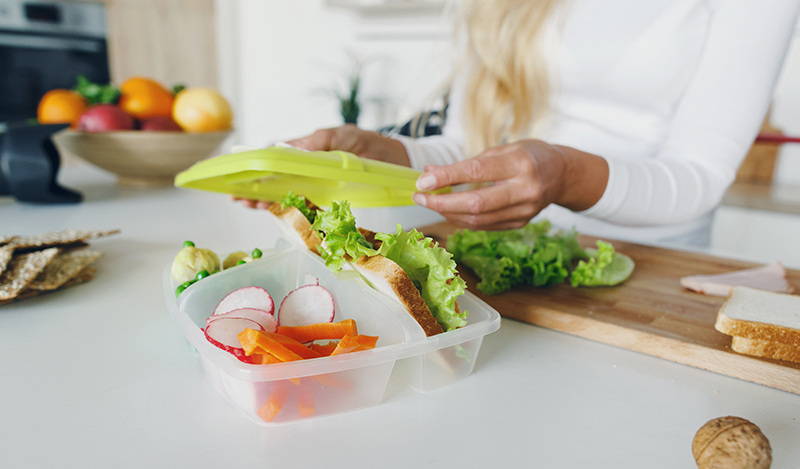
All parents are familiar with the nightly battle to get the kids to eat their vegies, but did you know primary-school aged children get over one third of their energy intake from the food they consume during school hours
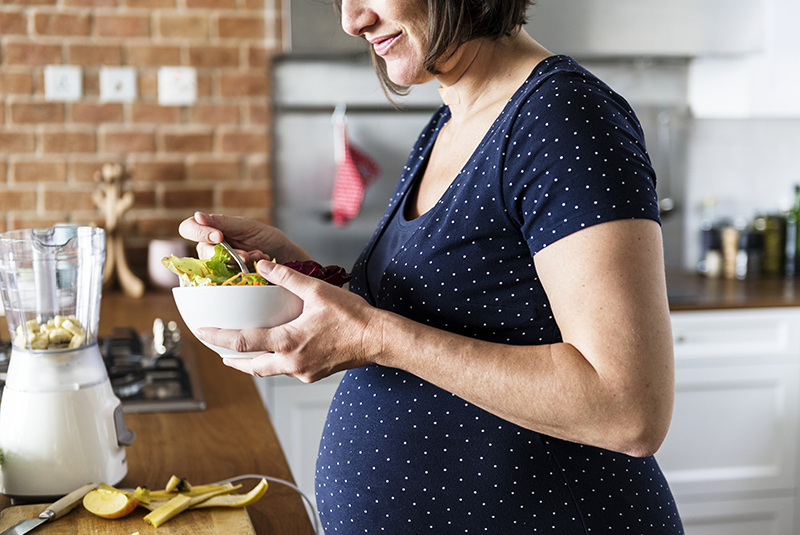
A healthy and balanced diet is important if you’re pregnant or planning a pregnancy.

Researchers conducted a series of group interviews with young people to find out how much they knew about energy drinks and the consequences of drinking them.

Join us at our free public seminar with dietitian and nutritionist Dr Roslyn Giglia will share the latest information on Australian kids' diets.
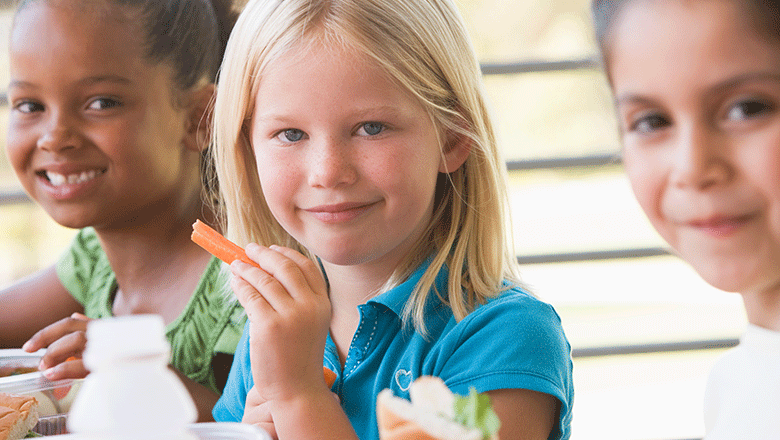
The Kids Research Institute Australia dietitian and nutritionist Dr Roslyn Giglia shares her top 10 tips for kids nutrition and physical activity.
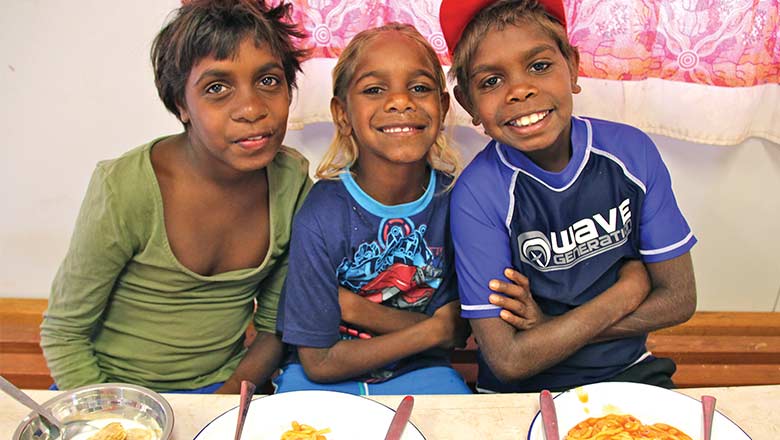
A good healthy breakfast is not just a vital foundation for a productive day but can lay the groundwork for a community to pull together to overhaul its health.

Teaching a class of year eleven students about nutrition ten years ago is what gave Dr Gina Trapp the idea for her research.
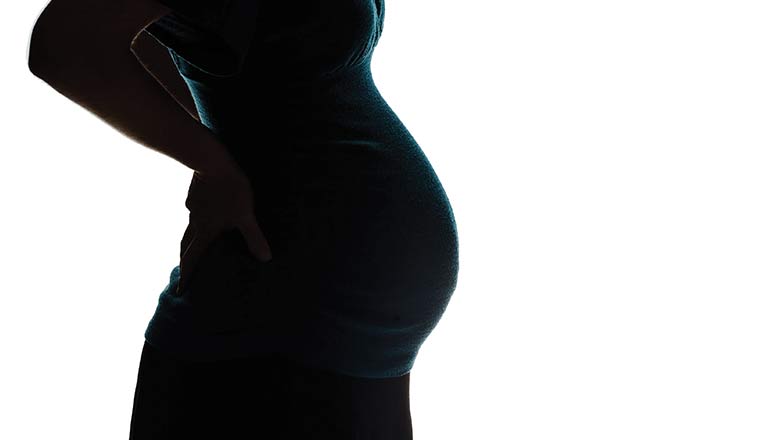
More than 30 years of research into the links between folate and neural tube defects has paid off for The Kids Research Institute Australia researcher Professor Carol Bower.