
Search
Food environments are significant drivers of obesity and diet-related diseases, making them key targets for interventions that support healthier food choices. The role of Local Government Authorities is pivotal in shaping community food environments.
Childhood obesity and physical inactivity are two of the most significant modifiable risk factors for the prevention of non-communicable diseases. Yet, a third of children in Wales and Australia are overweight or obese, and only 20% of UK and Australian children are sufficiently active.
A substantial body of literature points to the educational and social benefits of school breakfast programs. Most high-income countries provide free or subsidized school breakfasts to support disadvantaged children. Australia does not have a nationally-funded school meal program. Instead, charitable organizations offer school breakfast programs on a voluntary basis, often with funding support from state/territory governments.
This study adds to the current literature by using a novel device-based method to explore where preschool children are physically active outside of home and childcare settings. This study combined accelerometry with geospatial data to explore the influence of the environment on preschool children's physical activity by objectively identifying the locations where preschool children engage in moderate to vigorous physical activity (MVPA) within and outside of their neighborhood.
This study systematically reviewed Australian literature to determine if an association exists between geospatial exposure to food outlets and diet, health or weight status. Recommendations for future research are provided.
This qualitative study used in-depth interviews to explore adolescent girls’ perceptions of sexualized images they typically find when using social media. Twenty-four participants aged 14–17 years described sexualized images of females as normalized on social media. The interplay between gendered and social norms that endorsed and rewarded girls for posting sexualized images was seen to influence an expectation for girls to conform with their peers and post such images of themselves.
Previous studies showed that unfavourable weather conditions discourage physical activity. However, it remains unclear whether unfavourable weather conditions have a differential impact on physical activity in children compared with adults.
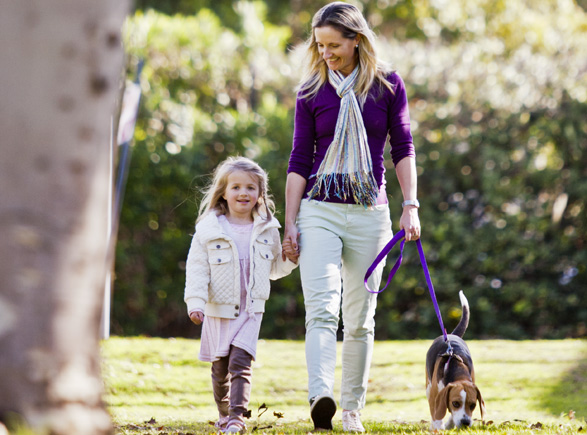
A new study has highlighted the positive impact dog ownership has on our mental health.
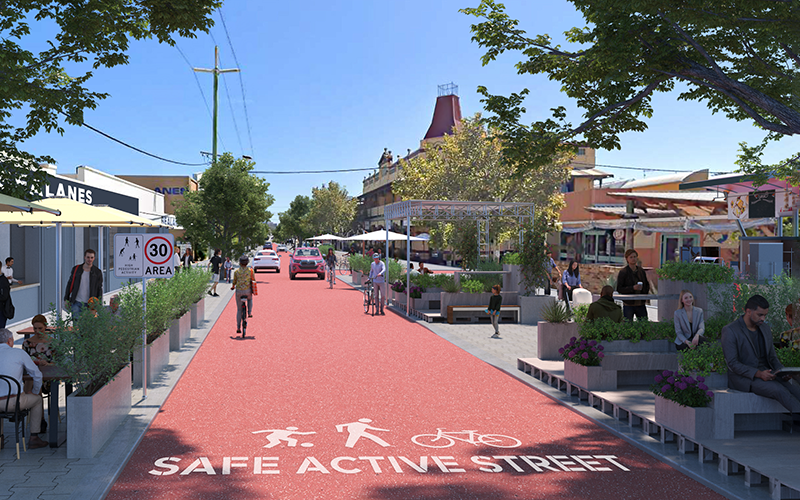
Researchers have identified 10 Australian shopping strips where the removal of on-street parking would transform the area’s liveability.

Four The Kids Research Institute Australia researchers from a diverse range of fields have been named as finalists for the prestigious 2022 Premier’s Science Awards.