
Search
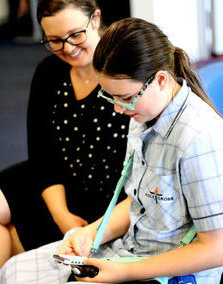
This time last year Keira Reynolds was in a vastly different place to where she is today. Back then, the Year 6 student was coming to grips with a new type 1 diabetes diagnosis and finishing primary school, uncertain about what lay ahead at high school.
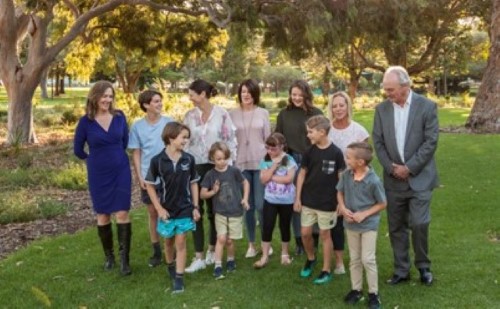
Have you seen our recent letter about a new area of research we’d like to focus on to improve the heart health of kids with type 1 diabetes? More and more evidence is showing the importance of exercise and cardiovascular health but surprisingly there isn’t much research in this field.
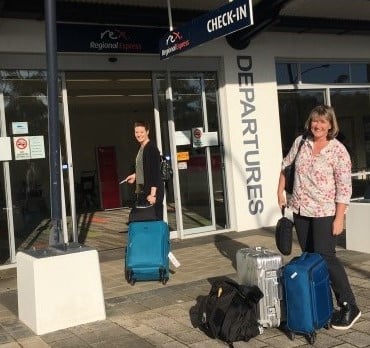
Nearly six return trips to the moon — 4,612,800km — that’s the incredible distance Telethon Kid Institute’s Children’s Diabetes Centre (CDC) staff have collectively travelled to deliver specialist care to kids living with diabetes in regional Western Australia over the past 28 years.
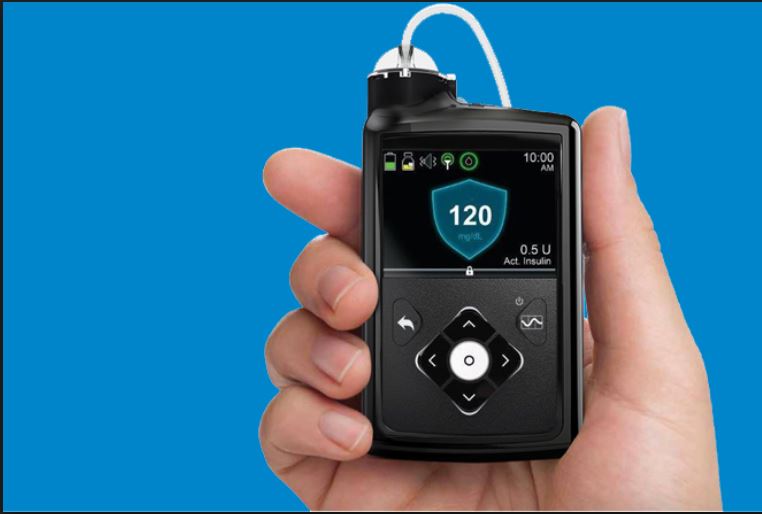
New research from the Children’s Diabetes Centre at The Kids Research Institute Australia has found children who use an insulin pump to manage their type 1 diabetes have better long-term blood glucose control than those on insulin injections.
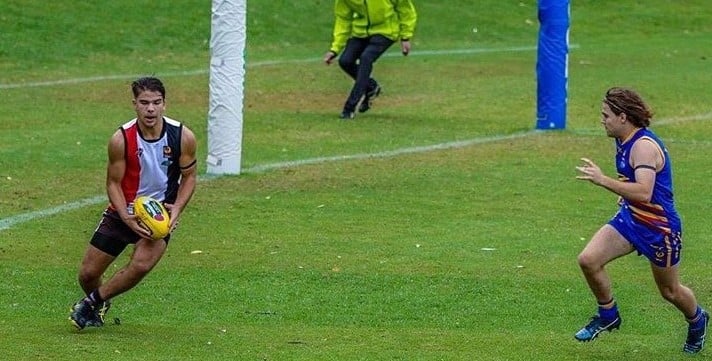
Just a small taste of the hybrid closed loop pump was all it took for Andrew Parsons to jump at the chance to be involved in a longer at-home trial of the system.
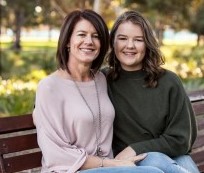
Read more about navigating the teen years and diabetes in The West Australian here. The story features Dr Keely Bebbington, who is the McCusker Research Fellow in Type 1 Diabetes at the Children’s Diabetes Centre, based at The Kids Research Institute Australia.

Did you know that regular exercise can literally add years to the lives of children living with Type 1 Diabetes?

The Children’s Diabetes Centre welcomes a new Federal Government initiative to support children with Type 1 Diabetes in schools. The two-year $6 million schools education and training program will be implemented at every school with a student with Type 1 Diabetes.
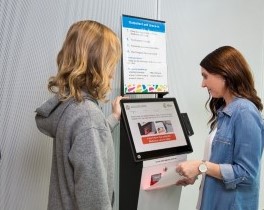
The outpatient check-in process at Perth Children’s Hospital (PCH) differs to the way things were done at Princess Margaret Hospital.
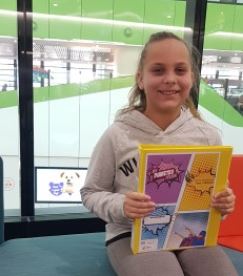
Ten-year-old Jazmyn Kalin’s diabetes journey may have only just begun but she is taking it all in her stride, administering her own insulin needles and even learning about carbs.