
Search
Gathering Autistic young people's testimony is critical for understanding their lived experience of education and designing settings in which these students can thrive. Despite increasing knowledge in this field, we lack perspectives from a broad range of Autistic students which necessarily limits our ability to build inclusive, supportive environments for all. This study explored the educational experiences of preschool and school-aged Autistic students from diverse age groups, backgrounds, and educational settings.
Malaria is a leading cause of death in school-aged children in sub-Saharan Africa, and non-fatal chronic malaria infections are associated with anaemia, school absence and decreased learning, preventing children from reaching their full potential. Malaria chemoprevention has led to substantial reductions in malaria in younger children in sub-Saharan Africa.
Population-level, nationally representative data on the prevalence of minority stressors and traumatic events, mental ill-health effects, and the preventative utility of school climate, among gender and sexuality diverse young people in Australia, is significantly lacking.
Mandates provide a relatively cost-effective strategy to increase vaccinate rates. Since 2014, five Australian states have implemented No Jab No Play (NJPlay) policies that require children to be fully immunised to attend early childhood education and childcare services. In Western Australia, where this study was conducted, NJNPlay legislation was enacted in 2019.
Based on the socioecological conceptual model, the physical environment within the home, childcare and neighbourhood domains are key factors that influence preschool children's physical activity; however, the relative importance of each of these domains for preschool children's physical activity is unclear.
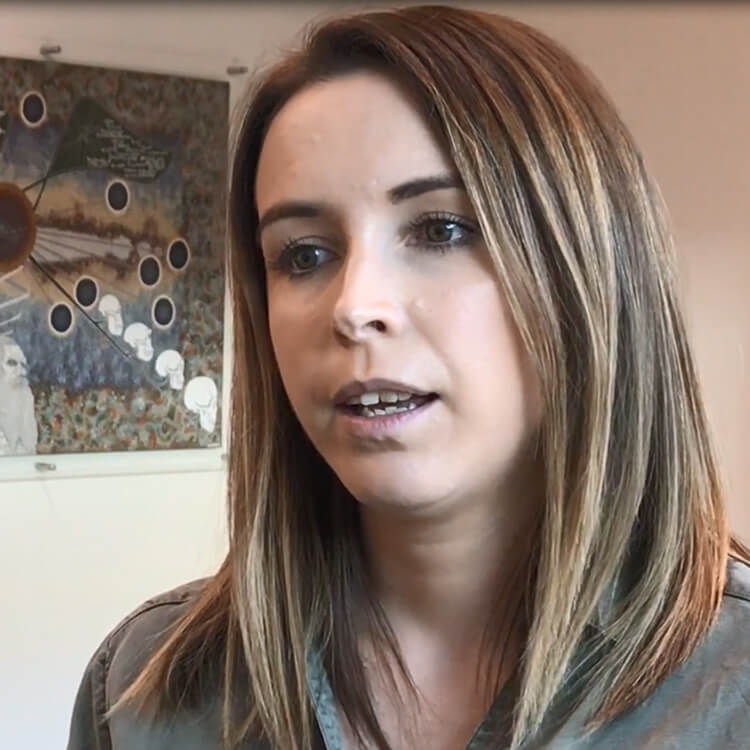
A study by The Kids has found children with a parent who has gone to prison are significantly more likely to have poor development outcomes.
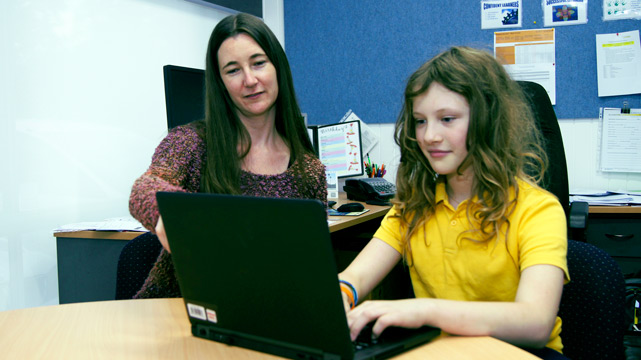
A team of researchers passionate about the social and emotional wellbeing of children have been refining a survey questionnaire.
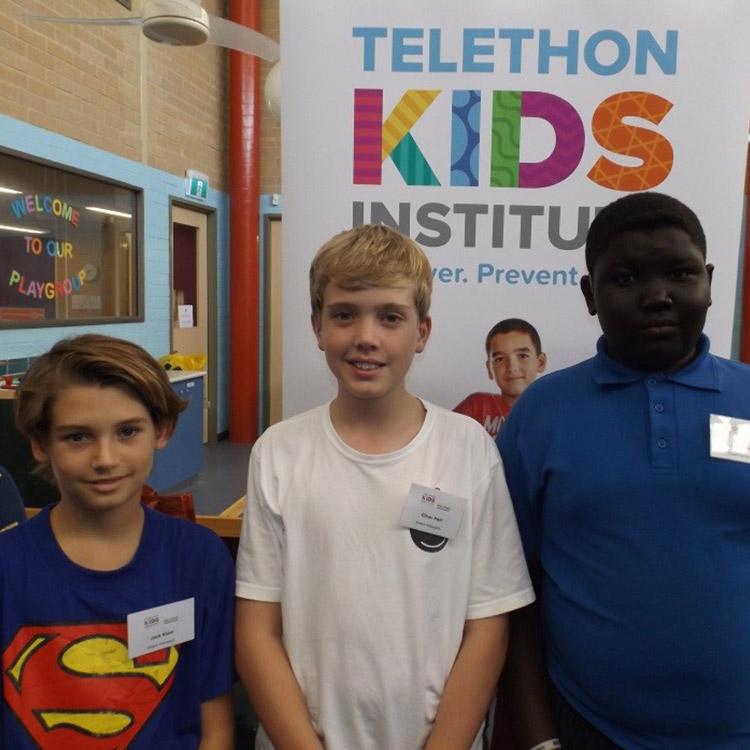
Ethan recently took part in Belong, a study led by The Kids which aims to ensure deaf and hard of hearing kids have a happy & positive school experience
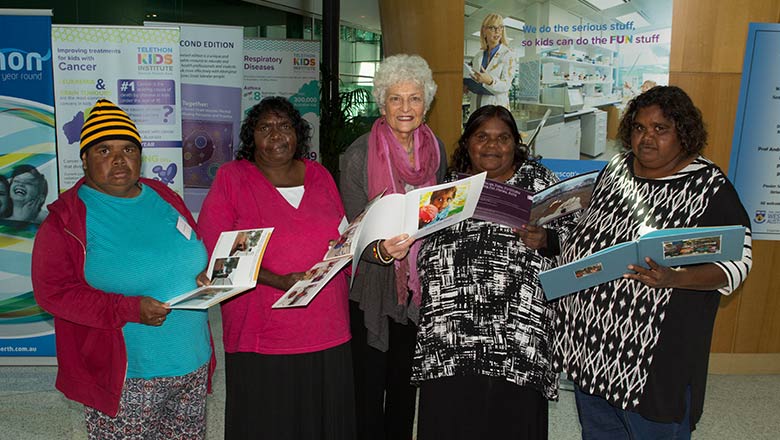
An NHMRC grant to develop a program to improve school outcomes in the Ngaanyatjarra lands has helped create books reflecting Aboriginal experiences.
A recent study from The Kids Research Institute Australia has revealed some interesting facts about just how important those school attendance days are.