
Search
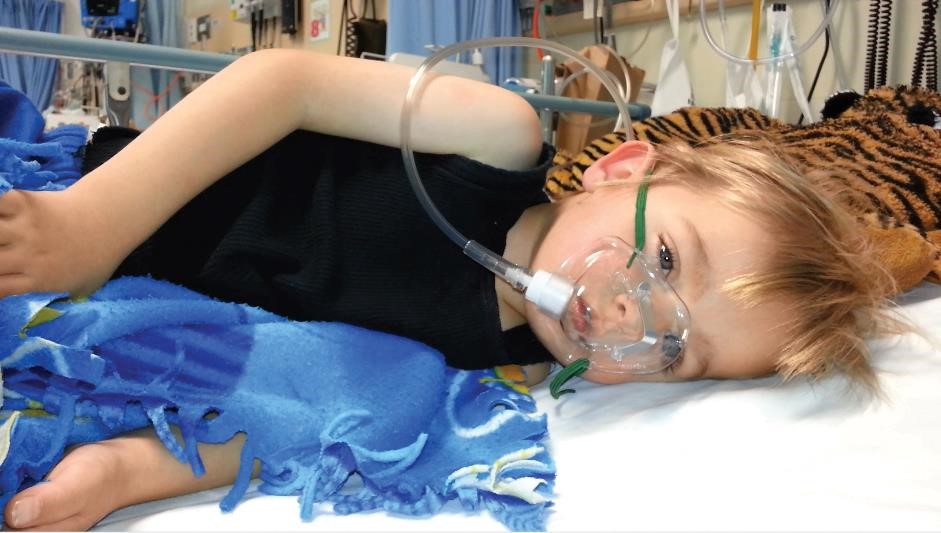
An ambitious project that could stop children developing asthma is the centrepiece of a new world-class respiratory research centre launched in Perth.
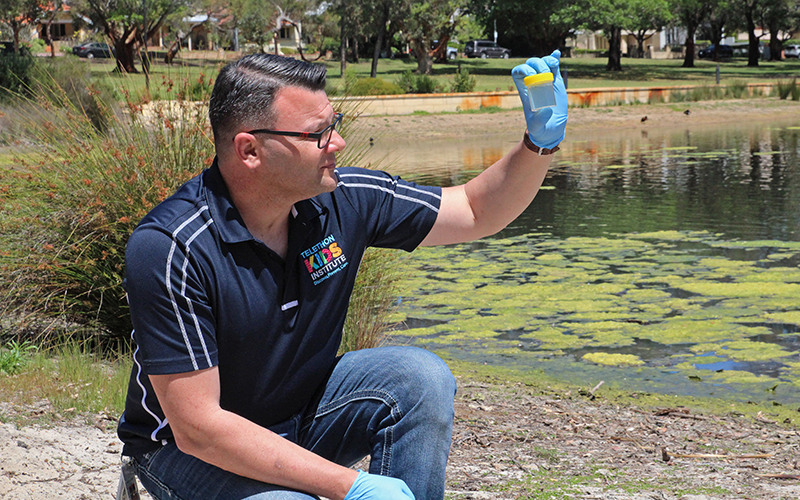
Perth researchers have discovered a predatory virus living in the city’s lakes and rivers that can fight antibiotic-resistant superbugs in children.
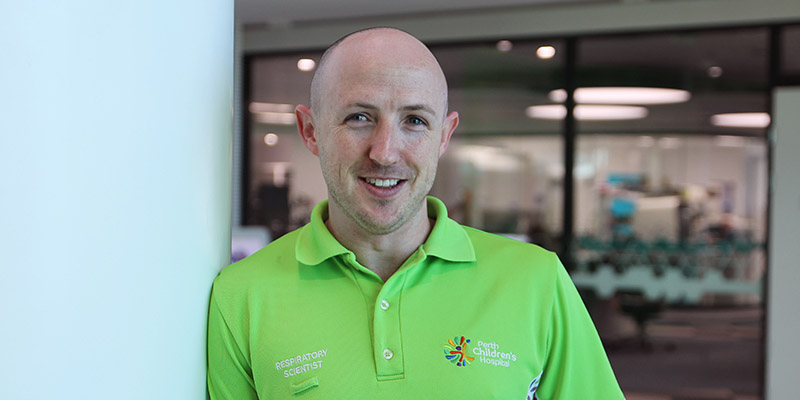
Parents of children born prematurely have expressed concerns about their child’s lung health when they exercise, with symptoms such as breathlessness.
Given the rise of multidrug-resistant (MDR) Pseudomonas aeruginosa infections, alternative treatments are needed. Anti-pseudomonal phage therapy shows promise, but its clinical application is limited due to the development of resistance and a lack of biofilm penetration.
Understanding of newborn immune ontogeny in the first week of life will enable age-appropriate strategies for safeguarding vulnerable newborns against infectious diseases. Here we conducted an observational study exploring the immunological profile of infants longitudinally throughout their first week of life.
Cough is the most common symptom leading to medical consultation. Chronic cough results in significant health care costs, impairs quality of life, and may indicate the presence of a serious underlying condition. Here, we present a summary of an updated position statement on cough management in the clinical consultation.
Chronic, low-intensity air pollution exposure has been consistently associated with reduced lung function throughout childhood. However, there is limited research regarding the implications of acute, high-intensity air pollution exposure. We aimed to determine whether there were any associations between early life exposure to such an episode and lung growth trajectories.
Neuromuscular disorders can lead to nocturnal hypoventilation. Accurate diagnosis of hypoventilation is imperative to guide treatment decisions. This study determined interobserver agreement for a number of definitions of nocturnal hypoventilation in children and adolescents with neuromuscular disorders.
Improvements in neonatal critical care have resulted in more people than ever reaching adulthood after being born prematurely. At the same time, it is becoming clearer that preterm birth can increase the risk of respiratory disease throughout a person’s lifetime. Awareness that a patient was born preterm can enable early specialist assessment and intervention when there is any concern about lung health.
The long-term cardiopulmonary outcomes following preterm birth during the surfactant era remain unclear. Respiratory symptoms, particularly exertional symptoms, are common in preterm children. Therefore, cardiopulmonary exercise testing may provide insights into the pathophysiology driving exertional respiratory symptoms in those born preterm. This review aims to outline the current knowledge of cardiopulmonary exercise testing in the assessment of children born preterm in the surfactant era.