Skip to content
The Kids Research Institute Australia logo
Donate

No results yet

Search

Research

Public stigma toward prolonged grief and COVID-19 bereavement: A vignette-based experiment

We investigated the effects of cause of death and the presence of prolonged grief disorder on eliciting public stigma toward the bereaved.

Research

World Society for Pediatric Infectious Diseases calls for action to ensure fair prices for vaccines

The eradication of smallpox is considered one of the greatest achievements of humankind, thanks to vaccination. The widespread availability of childhood vaccines has substantially reduced childhood morbidity and mortality. Devastating infections, such as polio, have almost disappeared due to vaccination. In 2021, it was estimated that vaccination against ten selected pathogens will have averted 69 million deaths between 2000 and 2030. Increases in vaccine coverage and introduction of additional vaccines should reduce lifetime mortality by 72% in the 2019 birth cohort. However, access to vaccines that prevent life-threatening and disabling infectious diseases remains unequal.

Research

COVID-19

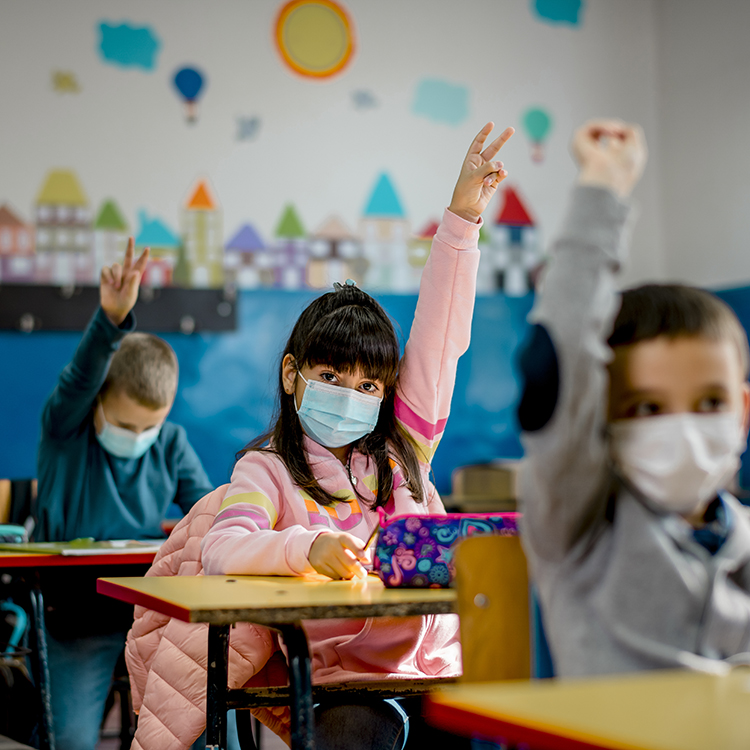
Here’s what we know so far about the impact of COVID-19 on children.

News & Events

BCG vaccine does not protect against COVID-19 in healthcare workers

A world-leading international trial examining the immune boosting benefits of the tuberculosis vaccine, BCG, has found it does not protect healthcare workers against COVID-19.

News & Events

Australia’s first DNA-based COVID-19 vaccine study set to begin at The Kids Research Institute Australia

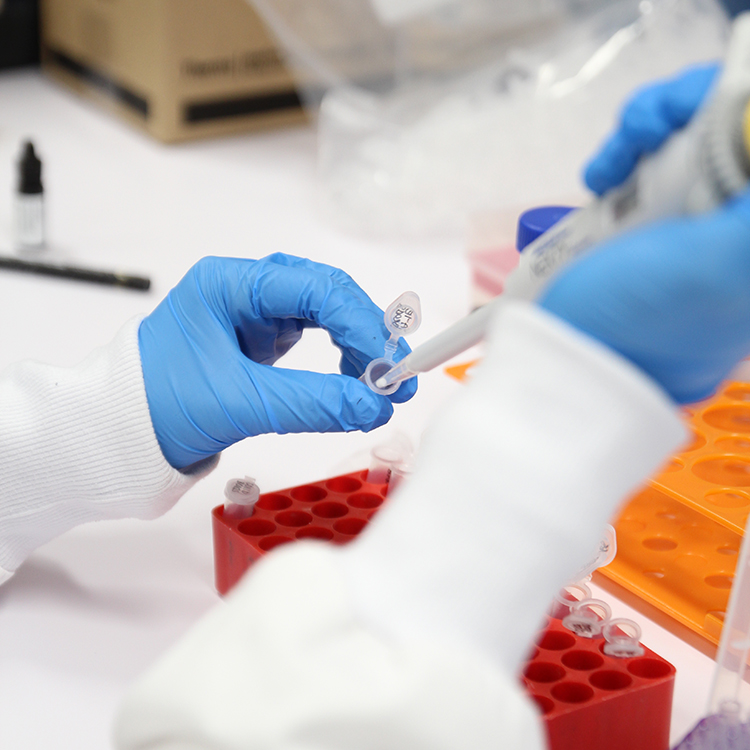
Australia’s first needle-free, gene-based COVID-19 vaccine study will be spear-headed in WA by The Kids Research Institute Australia thanks to almost $6 million in Coronavirus Research Response funding announced by Health Minister Greg Hunt.
Research

Facilitating knowledge transfer during Australia’s COVID-19 vaccine rollout: an examination of ‘Functional Dialogues’ as an approach to bridge the evidence–policy gap

Our interdisciplinary team initiated a project to inform the COVID-19 vaccination programme. We developed a novel research co-creation approach to share emerging findings with government. 

Research

Quantifying the impact of contact tracing interview prioritisation strategies on disease transmission: A modelling study

Contact tracing is an important public health measure used to reduce transmission of infectious diseases. Contact tracers typically conduct telephone interviews with cases to identify contacts and direct them to quarantine, with the aim of preventing onward transmission. However, in situations where caseloads exceed the capacity of the public health system, timely interviews may not be feasible for all cases. Here we present a modelling framework for assessing the impact of different case interview prioritisation strategies on disease transmission.

Research

‘I'm glad my baby has weaned so I don't need to make that decision.’ Understanding breastfeeding-related COVID-19 vaccine narratives on social media

During the coronavirus disease 2019 (COVID-19) pandemic, the infodemic has been highly visible. Vaccine-related advice and evidence-based guidelines for breastfeeding women have lagged, and, at times have been contradictory and confusing. Breastfeeding is an important public health issue with long-lasting health benefits for infants and mothers.

Research

Health impact and cost-effectiveness of COVID-19 booster vaccination strategies in the early post-Omicron era: a dynamic modelling study

Following widespread exposure to Omicron variants, SARS-CoV-2 has transitioned to endemic circulation. Populations now have diverse infection and vaccination histories, resulting in heterogeneous immune landscapes. Careful consideration of the value of ongoing vaccination is required through the post-Omicron phase of COVID-19 management to minimise disease burden.

Research

Parents' COVID-19 vaccine intentions for children under 5 years: Brief reflections from a qualitative study

Australian authorities made COVID-19 vaccines available for children aged under 5 years old with serious comorbidities in August 2022. There is presently no universal programme for young children, but crucial to any rollout's success is whether parents are motivated and able to vaccinate. By examining parents' vaccine intentions, this study aims to inform current and future COVID-19 vaccine roll-outs for children aged under 5 years.