
Search
Aboriginal young people are experts in their own experience and are best placed to identify the solutions to their mental health and wellbeing needs. Given that Aboriginal young people experience high rates of mental health concerns and are less likely than non-Indigenous young people to access mental health services, co-design and evaluation of appropriate mental health care is a priority.
The aim of this study was to examine physical activity and sedentary behaviours during Western Australia's COVID-19 lockdown and their association with mental well-being.
Young people are more likely to be affected by suicide contagion, and there are concerns about the role social media plays in the development and maintenance of suicide clusters or in facilitating imitative suicidal behavior. However, social media also presents an opportunity to provide real-time and age-appropriate suicide prevention information, which could be an important component of suicide postvention activities.
The transition to parenthood is a high-risk period for many parents and is an important period for child development. Research has identified that parental mental health, reflective functioning (capacity to consider mental states of oneself and others) and coparenting (capacity to work together well as a parenting team) may be particularly significant predictors of later child outcomes, however these factors have seldom been considered together.
Childhood emotional abuse (CEA) has been linked to response-focused emotion regulation in adulthood. However, the underlying mechanisms remain unexplored. This pre-registered study examined whether shame mediates the association between CEA history and aversive cognitive perseveration (ACP), including brooding rumination, experiential avoidance and emotional non-acceptance, in adulthood.
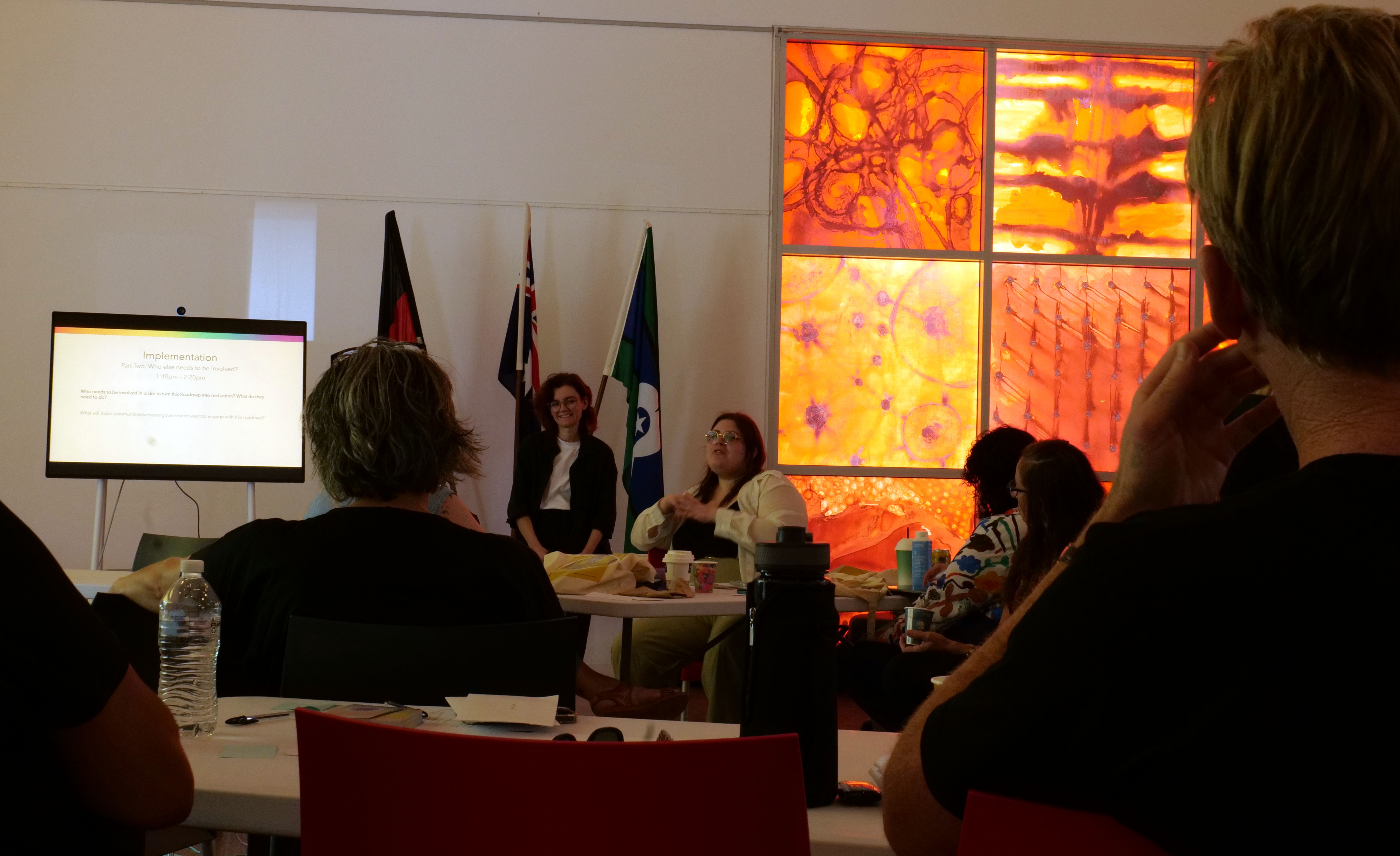
Walkern Katatdjin researcher and lead author Mx Shakara Liddelow-Hunt leads a conversation with the community on the key actions to include in the Roadmap.
Abstract: To examine the association between mental health workforce supply and spatial clusters of high versus low incidence of youth suicide.
This study addresses a knowledge gap in the literature about early adolescent cyberbullying victimization and the related positive and negative emotional wellbeing and academic achievement outcomes experienced over time.
This study compared and explored the neurocognitive profiles of siblings of persons with and without neurodevelopmental conditions (NDCs) and associations between objective test performance and self-reported psychosocial functioning.
Australian Aboriginal people experience stressors from inequalities across crucial social determinants, including deep and entrenched disadvantage and exclusion. The impact of unaddressed historical issues is pervasive and intergenerational. The disproportionate rates of Aboriginal youth suicide, juvenile detention and imprisonment highlight the inadequacy of existing social and emotional wellbeing programs and services for Aboriginal children and young people.