
Search
Results from studies examining associations between serum 25-hydroxyvitamin D (25(OH)D) concentrations and depressive symptoms are equivocal.
In summary, UV-BMDCs do not express the classical phenotypic or gene expression properties of DCs reported by others as 'regulatory' or 'tolerogenic'.
This is the first study to link low gestational vitamin D to increased eating disorder risk in female offspring of Caucasian mothers.
We tested whether maternal vitamin D insufficiency during pregnancy is related to the autism phenotype.
Vitamin D is synthesised by ultraviolet (UV) irradiation of skin and is hypothesized to be a direct mediator.
The purpose of this Review was to give an overview of the recent research into whether a lack of vitamin D contributes to the development of atopy and asthma...
There is considerable debate about the benefits of vitamin D supplementation for multiple sclerosis, allergic asthma, and type 1 diabetes.
In a sunny country such as Australia, it’s important to identify how to achieve the right amount of sun exposure for good health. We need to be able to harness the benefits of vitamin D and sunlight while remaining protected from the proven dangers of too much UV radiation.
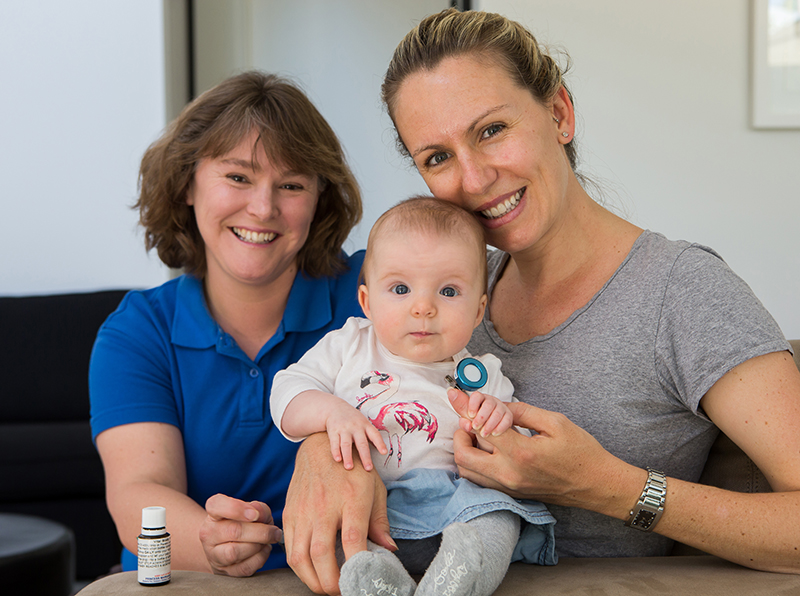
A study led by The Kids Research Institute Australia has suggested vitamin D supplementation in babies is no match for sunlight when it comes to preventing eczema.
Researchers at The Kids Research Institute Australia have found children with vitamin D deficiency are more likely to develop asthma.