Skip to content
The Kids Research Institute Australia logo
Donate

Search

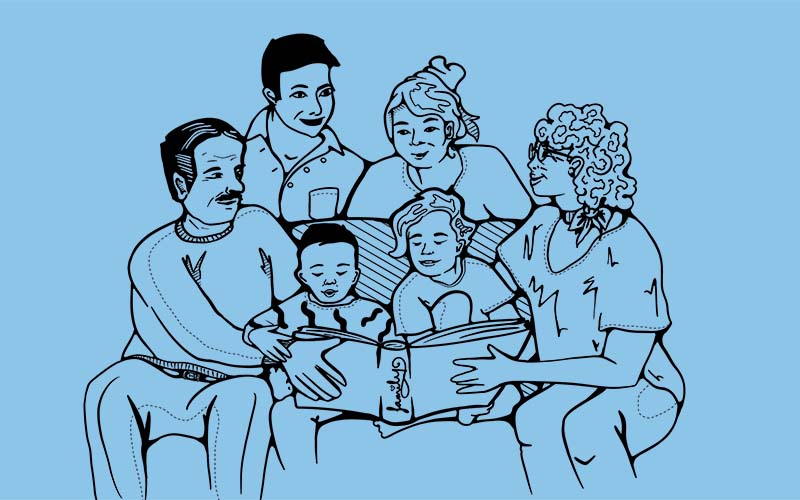
Options and realities for trans and gender diverse young people receiving care in Australia's mental health system: findings from Trans Pathways

Trans and gender diverse young people experience mental health difficulties self-harm and suicidality at markedly higher rates than the general population, yet they often feel isolated from mental health services. There is little qualitative research on the experiences of trans and gender diverse young people accessing mental health support in Australia.

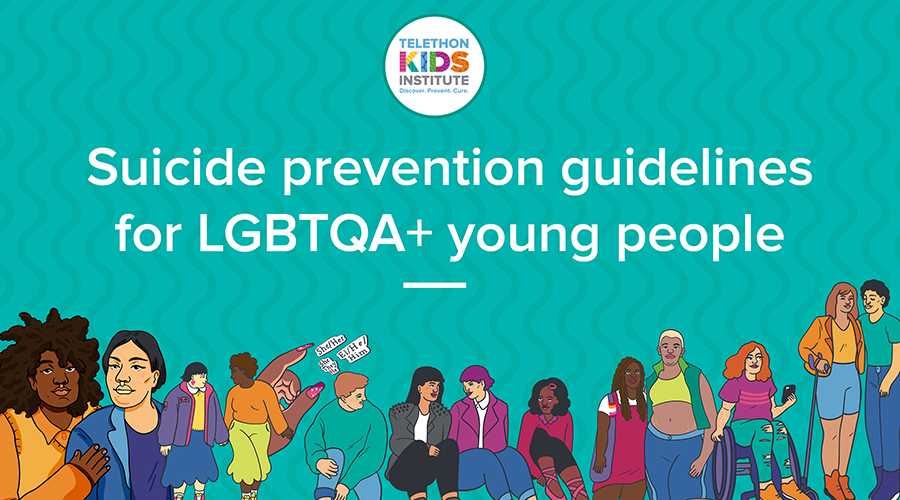
Best practice when working with suicidal behaviour and self-harm in primary care: a qualitative exploration of young people's perspectives

General practitioners (GPs) have a key role in supporting young people who present with suicidal behaviour/self-harm. However, little is known about young people's opinions and experiences related to GPs' practices for such presentations, and their decisions to disclose suicidal behaviour/self-harm to GPs. Additionally, existing guidelines for the management of suicide risk and/or self-harm have not incorporated young people's perspectives. This study aimed to explore young people's views and experiences related to the identification, assessment and care of suicidal behaviour and self-harm in primary care settings with GPs.

Meta-analysis of the neural correlates of vigilant attention in children and adolescents

Vigilant Attention (VA), defined as the ability to maintain attention to cognitively unchallenging activities over a prolonged period of time, is critical to support higher cognitive functions and many behaviours in our everyday life. Evidence has shown that VA rapidly improves throughout childhood and adolescence until young adulthood and tends to decline in older adulthood.

Putting ‘Justice’ in Recovery Capital: Yarning about Hopes and Futures with Young People in Detention

We must celebrate success and hope through a process of mapping and building recovery capital in the justice context at an individual and institutional level

Chronic health conditions, mental health and the school: A narrative review

School-based social risk processes in the lives of young people with chronic health conditions are likely to contribute to risk of psychological problems

Association of Structural Magnetic Resonance Imaging Measures with Psychosis Onset in Individuals at Clinical High Risk for Developing Psychosis: An ENIGMA Working Group Mega-analysis

The ENIGMA clinical high risk (CHR) for psychosis initiative, the largest pooled neuroimaging sample of individuals at CHR to date, aims to discover robust neurobiological markers of psychosis risk. We investigated baseline structural neuroimaging differences between individuals at CHR and healthy controls as well as between participants at CHR who later developed a psychotic disorder (CHR-PS+) and those who did not (CHR-PS-).

Acute Tryptophan Depletion Moja-De: A Method to Study Central Nervous Serotonin Function in Children and Adolescents

Serotonin (5-HT) is widely implicated as a key neurotransmitter relevant to a range of psychiatric disorders and psychological processes. The role of central nervous 5-HT function underlying these processes can be examined through serotonergic challenge methodologies.

Youth Mental Health

The Youth Mental Health team’s vision is to improve the mental health of young people, their families and communities locally, nationally, and internationally.

Neurodivergence, intersectionality, and eating disorders: a lived experience-led narrative review

Autistic people and those with attention deficit hyperactivity disorder are at a high risk of developing an eating disorder. While there is limited evidence on the relationship between other forms of neurodivergence and eating disorders, research suggests associations between giftedness, intellectual disability, obsessive-compulsive disorder, psychosis, Tourette's syndrome, and disordered eating.

Effectiveness, efficacy, acceptability, and feasibility of trauma-informed depression, anxiety, and substance use prevention programs for young people aged 12–25 years

Mental ill-health and substance use bear significant public health burden on young people. Prevention is key. Trauma-informed approaches to prevention of mental ill-health and substance use demonstrate significant promise, yet it is unclear how well existing approaches work for young people targeting mental ill-health and substance use. This review aimed to assess the effectiveness, feasibility, and acceptability of trauma-informed mental ill-health and/or substance use prevention programs for young people.