
Search
Rheumatic heart disease (RHD) is the most important cause of acquired cardiovascular disease in children and young adults. Virtually non-existent in most of Australia, it still predominantly affects Aboriginal communities.
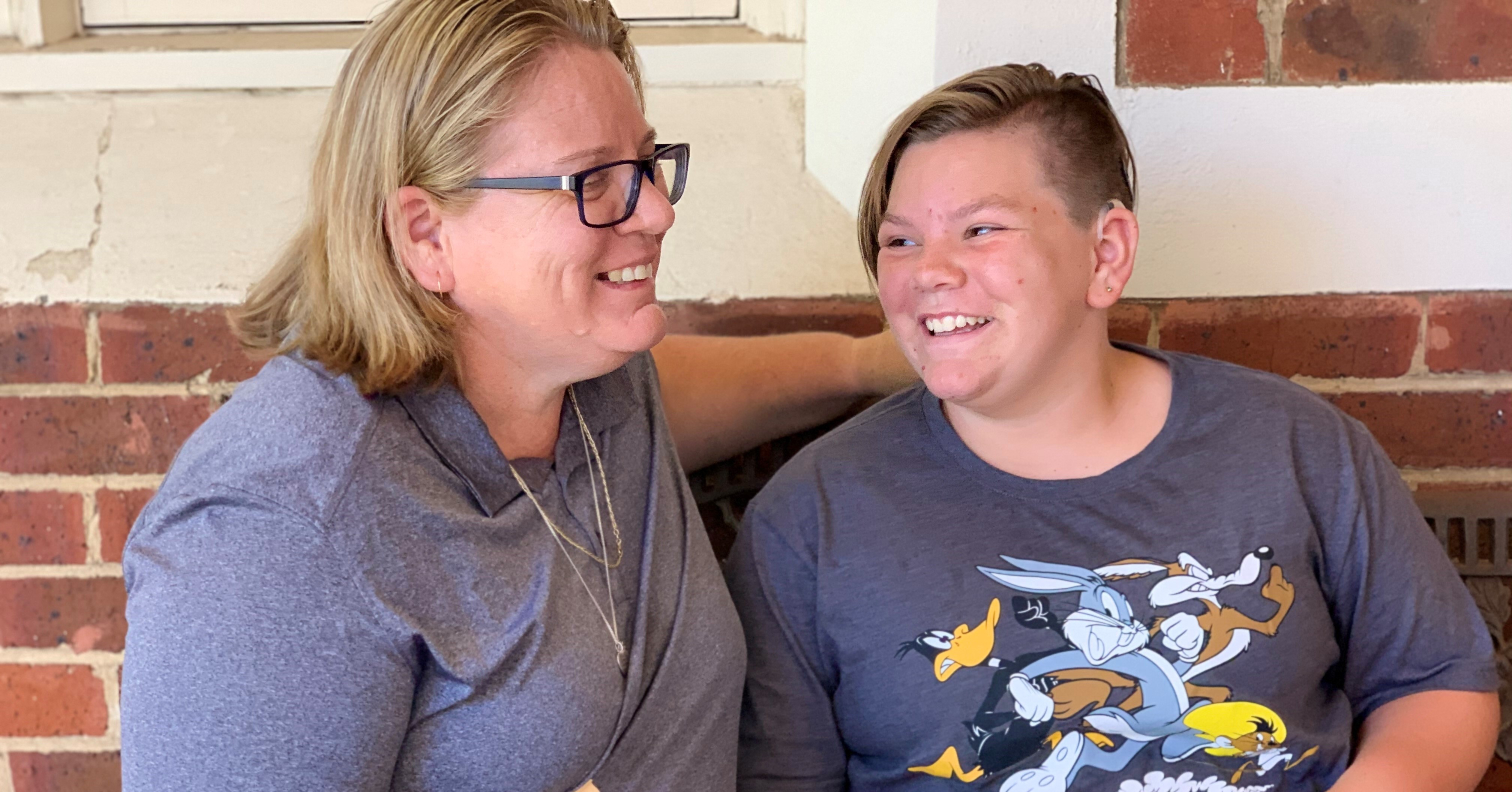
Adolescence can be challenging for all kids, but especially for those who are Deaf or hard-of-hearing. New resources developed by The Kids Research Institute Australia aim to make life a little easier.
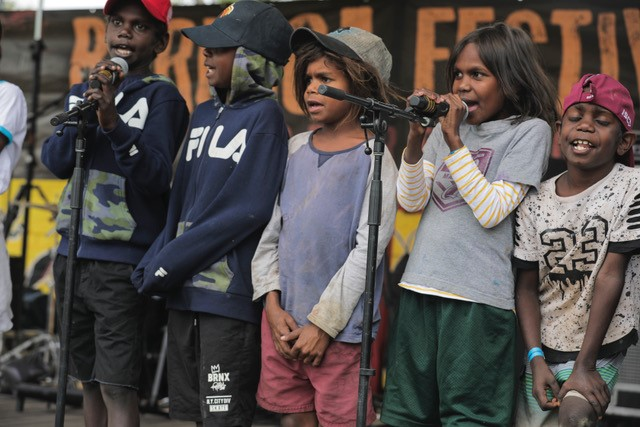
A song written by kids in Barunga as part of the END RHD Communities Project is helping prevent the spread of infections that cause rheumatic heart disease in remote Aboriginal Communities.

The first ever National Healthy Skin Guideline has become the gold standard for the treatment, prevention and public health control of skin infections in Indigenous populations in Australia and provides a positive framework for healthy skin.
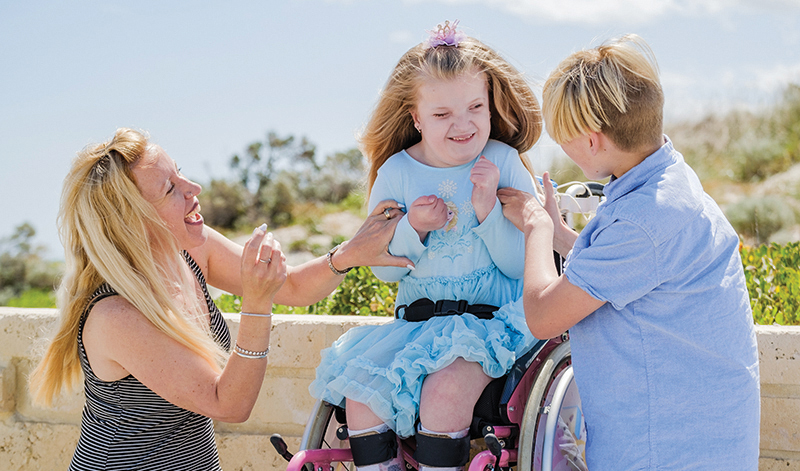
For thousands of WA children living with undiagnosed diseases, it’s hope.

Supporting parents of trans and gender diverse kids.
This paper provides the conceptual framework for a new review series that bring together the global literature on population approaches to nurturing relational health across the first three years of life. Early relational health is defined as ‘the everyday interactions that happen between children and their carers across the many settings in which they live and grow.
Rhinoviruses (RV) are the most common respiratory viruses globally and a major cause of airway symptoms in children and individuals with asthma. Although more than 170 RV types exist across 3 species (RV-A, RV-B, RV-C), type-specific circulation patterns and age-related prevalence remain poorly defined.
Low vitamin D intake and prevalence of serum 25-hydroxyvitamin D concentration <50 nmol/L among Aboriginal and Torres Strait Islander peoples highlight a need for public health strategies to improve vitamin D status. Since few foods contain naturally occurring vitamin D, food fortification could be a suitable strategy. We aimed to model vitamin D food fortification scenarios among Aboriginal and Torres Strait Islander peoples.
Syphilis remains a global public health concern, particularly in pregnancy due to the risk of congenital syphilis. The WHO recommends benzathine penicillin G (BPG) as the standard treatment in pregnant women, whilst the optimal dosing strategy has not been established, particularly in relation to the impact of gestational age. This study sought to characterize the pharmacokinetics (PK) of a three-dose regimen of intramuscular BPG, given at weekly intervals, in pregnant women with syphilis.