
Search
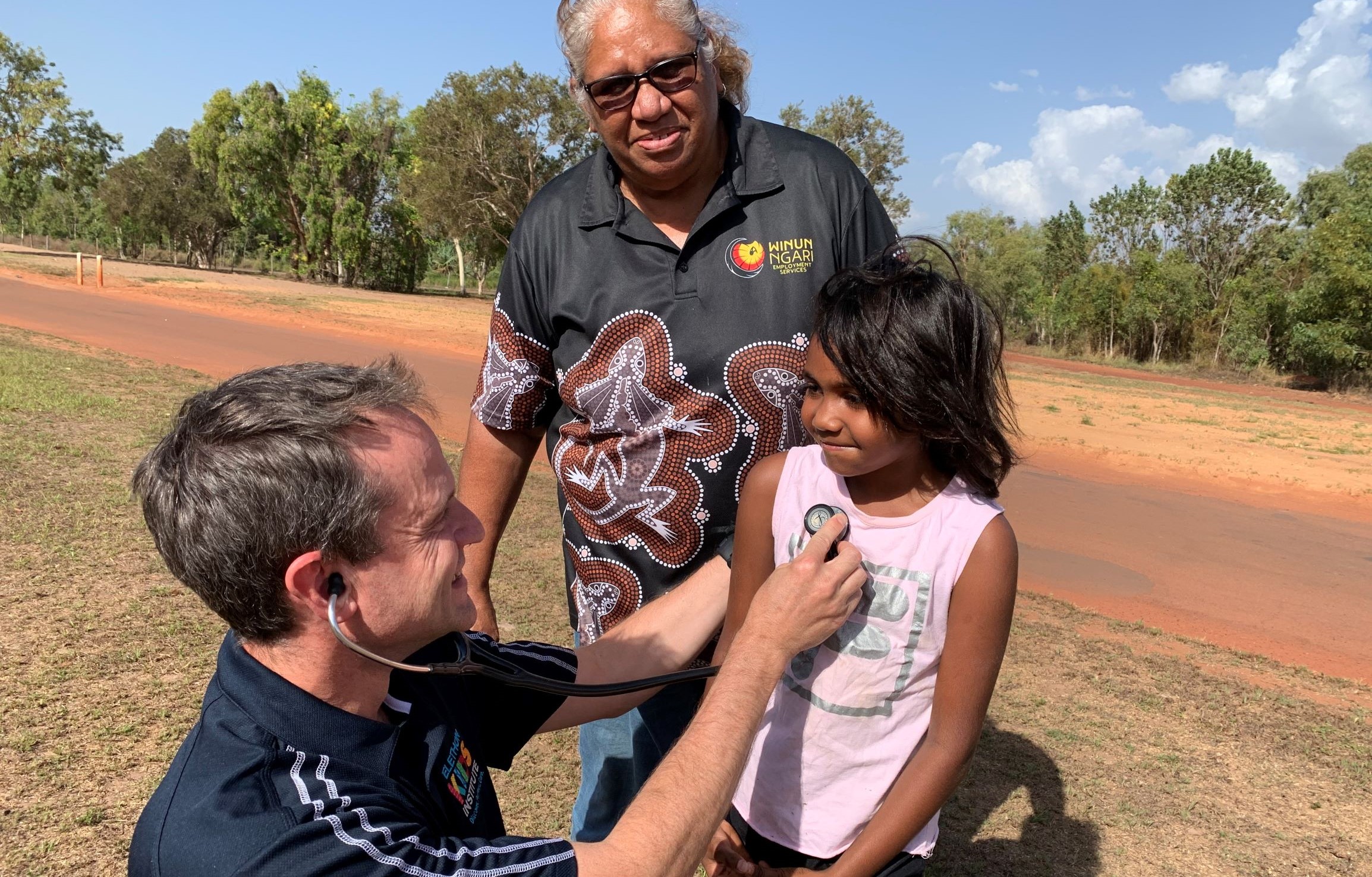
Results from a world first-study measuring prevalence of chronic wet cough and protracted bacterial bronchitis in four Kimberley Aboriginal communities have highlighted the enormity of the health problem.

Adolescence can be challenging for all kids, but especially for those who are Deaf or hard-of-hearing. New resources developed by The Kids Research Institute Australia aim to make life a little easier.
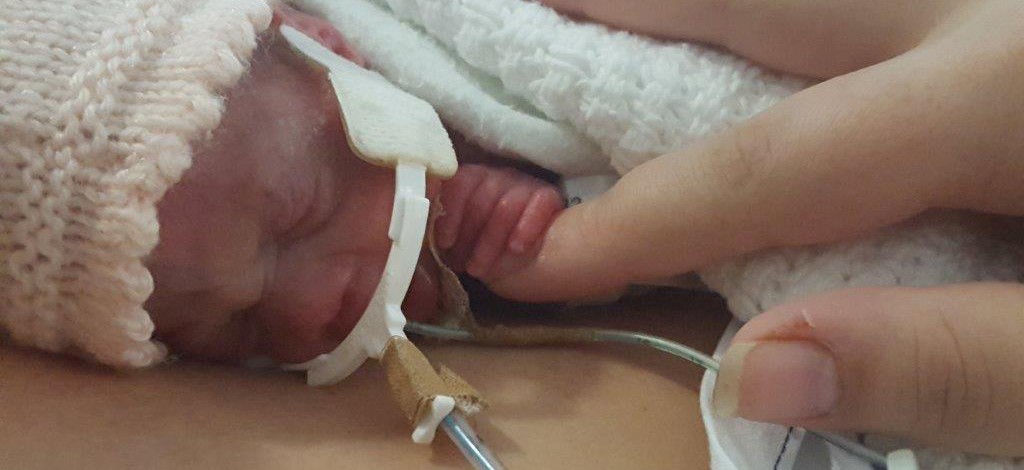
When KEMH specialists first suggested using coconut oil to treat the fragile skin of Kimberly Rohrlach’s extremely premature first-born child, Isabella, she thought it was more than a little weird.
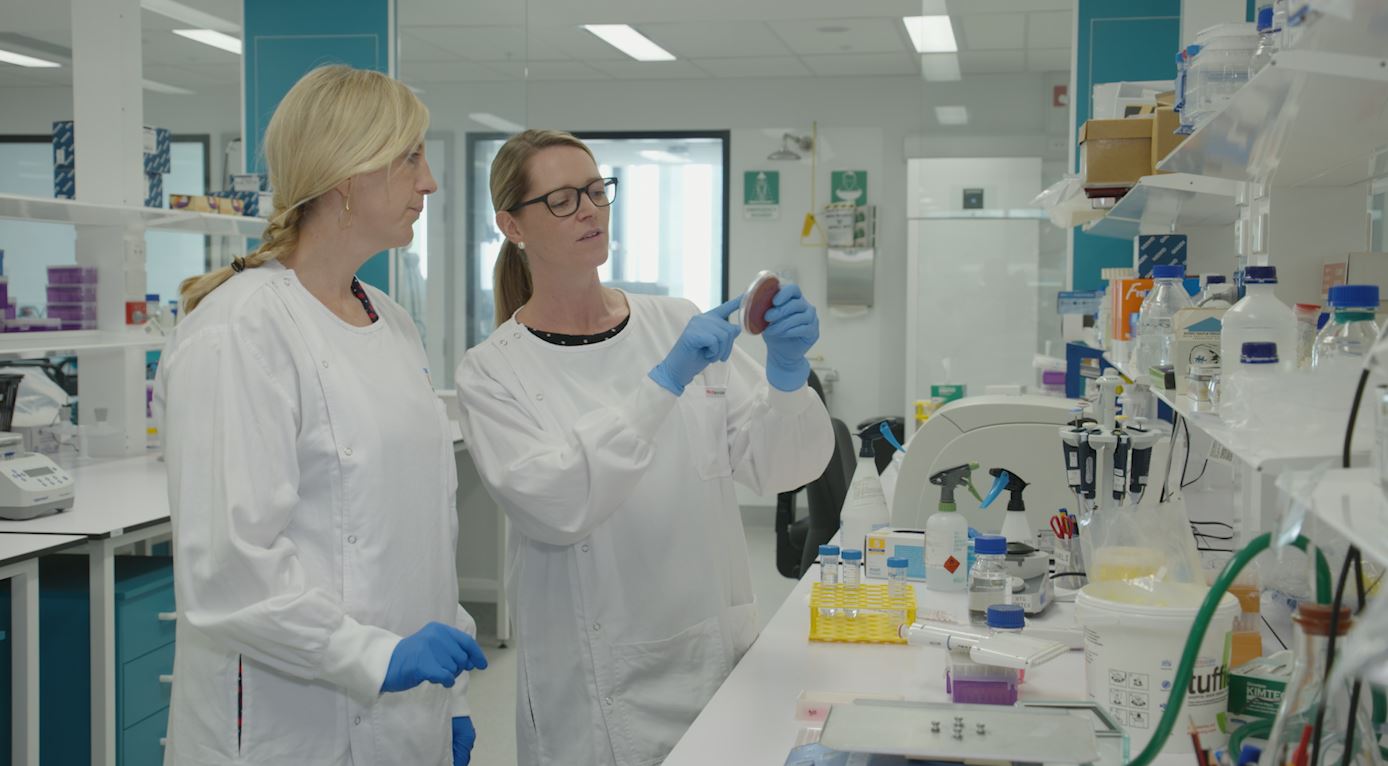
Wiping out childhood ear infections could become a reality thanks to new research identifying the main bacteria responsible for recurrent ear infections and repeat ear surgeries.
More than 35% of Aboriginal and Torres Strait Islander adults live with cardiovascular disease, diabetes, or chronic kidney disease. There is a pressing need for chronic disease prevention and management among Aboriginal and Torres Strait Islander people in Australia. Therefore, this review aimed to synthesise a decade of contemporary evidence to understand the barriers and enablers of chronic disease prevention and management for Aboriginal and Torres Strait Islander People with a view to developing policy and practice recommendations.
Premature onset of type 2 diabetes and excess mortality are critical issues internationally, particularly in Indigenous populations. There is an urgent need for developmentally appropriate and culturally safe models of care. We describe the methods for the codesign, implementation and evaluation of enhanced models of care with Aboriginal and Torres Strait Islander youth living with type 2 diabetes across Northern Australia.
Repurposed drugs with host-directed antiviral and immunomodulatory properties have shown promise in the treatment of COVID-19, but few trials have studied combinations of these agents. The aim of this trial was to assess the effectiveness of affordable, widely available, repurposed drugs used in combination for treatment of COVID-19, which may be particularly relevant to low-resource countries.
To identify and characterise appropriate comparison groups for population studies of health outcomes in ART-conceived births: ovulation induction (OI), subfertile untreated and fertile natural conceptions. Our secondary objective was to examine whether known risks of pregnancy complications and adverse birth outcomes in ART births are elevated in comparison with subfertile (untreated and OI) conception groups.
To assess the real-world performance of MiniMed™ 780G for Australians with type 1 diabetes (T1D) following advanced hybrid closed loop (AHCL) activation and to evaluate the effect of changing from MiniMed 670/770G to 780G.
Current treatments for respiratory infections are severely limited. Ethanol's unique properties including antimicrobial, immunomodulatory, and surfactant-like activity make it a promising candidate treatment for respiratory infections if it can be delivered safely to the airway by inhalation. Here, we explore the safety, tolerability, and pharmacokinetics of inhaled ethanol in a phase I clinical trial.