
Search
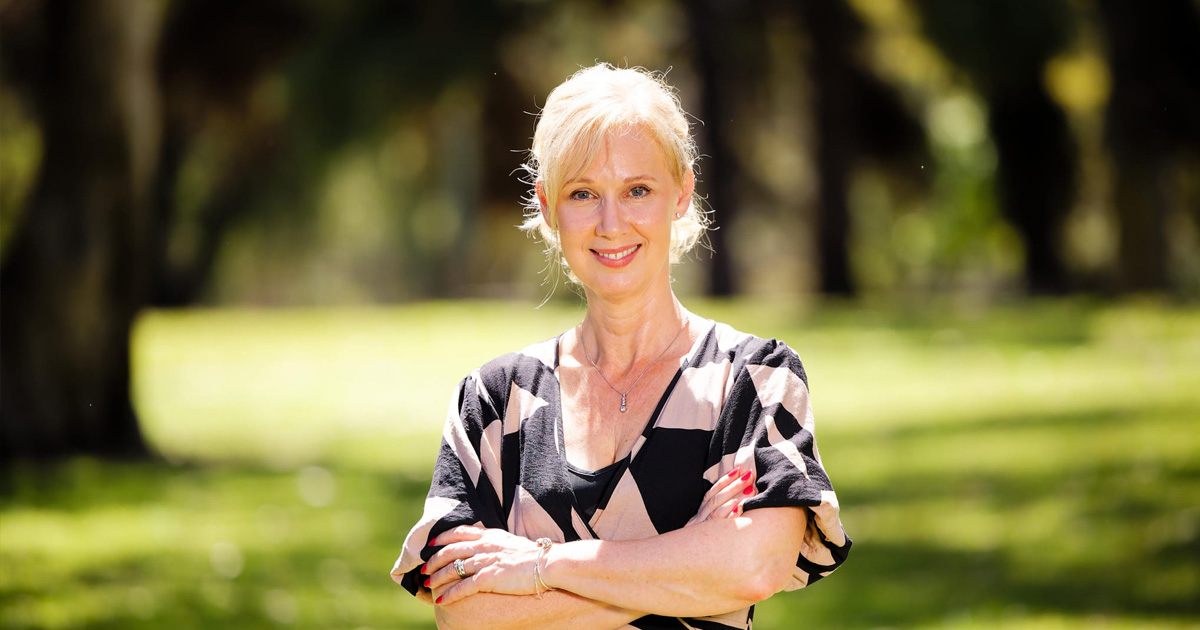
In honour of International Day of Women and Girls in Science, we celebrate women in STEM and their incredible contributions to the field, aiming to inspire the next generation of female scientists.
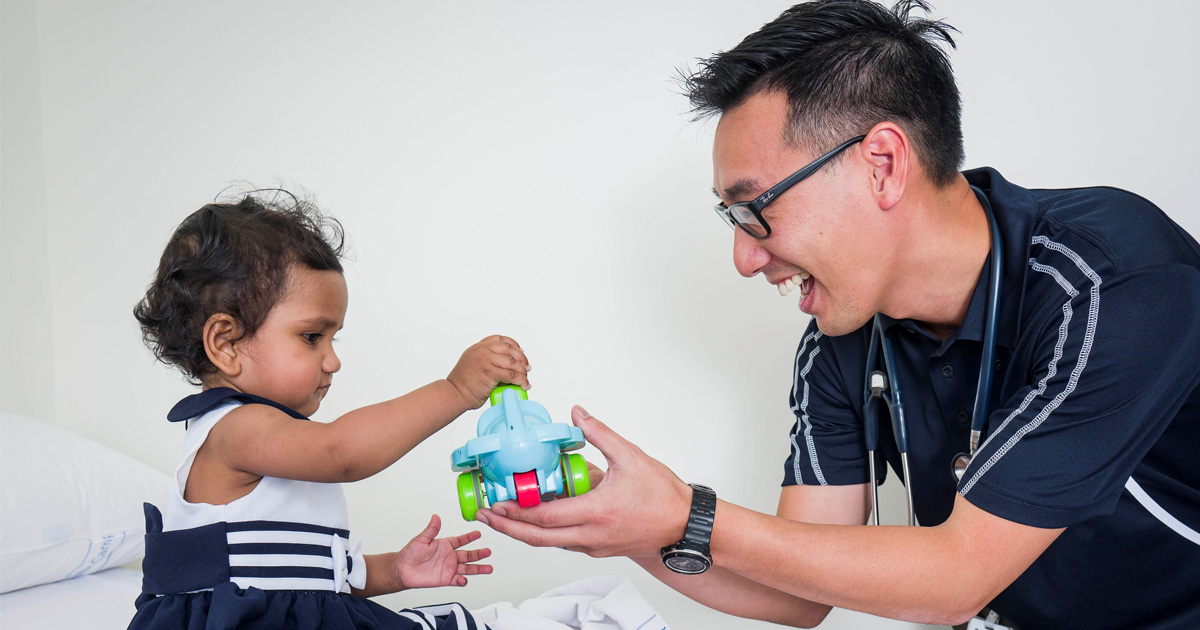
A third of Western Australian one-year-olds and up to two thirds of three-year-olds have low iron, a study by The Kids Research Institute Australia has found.
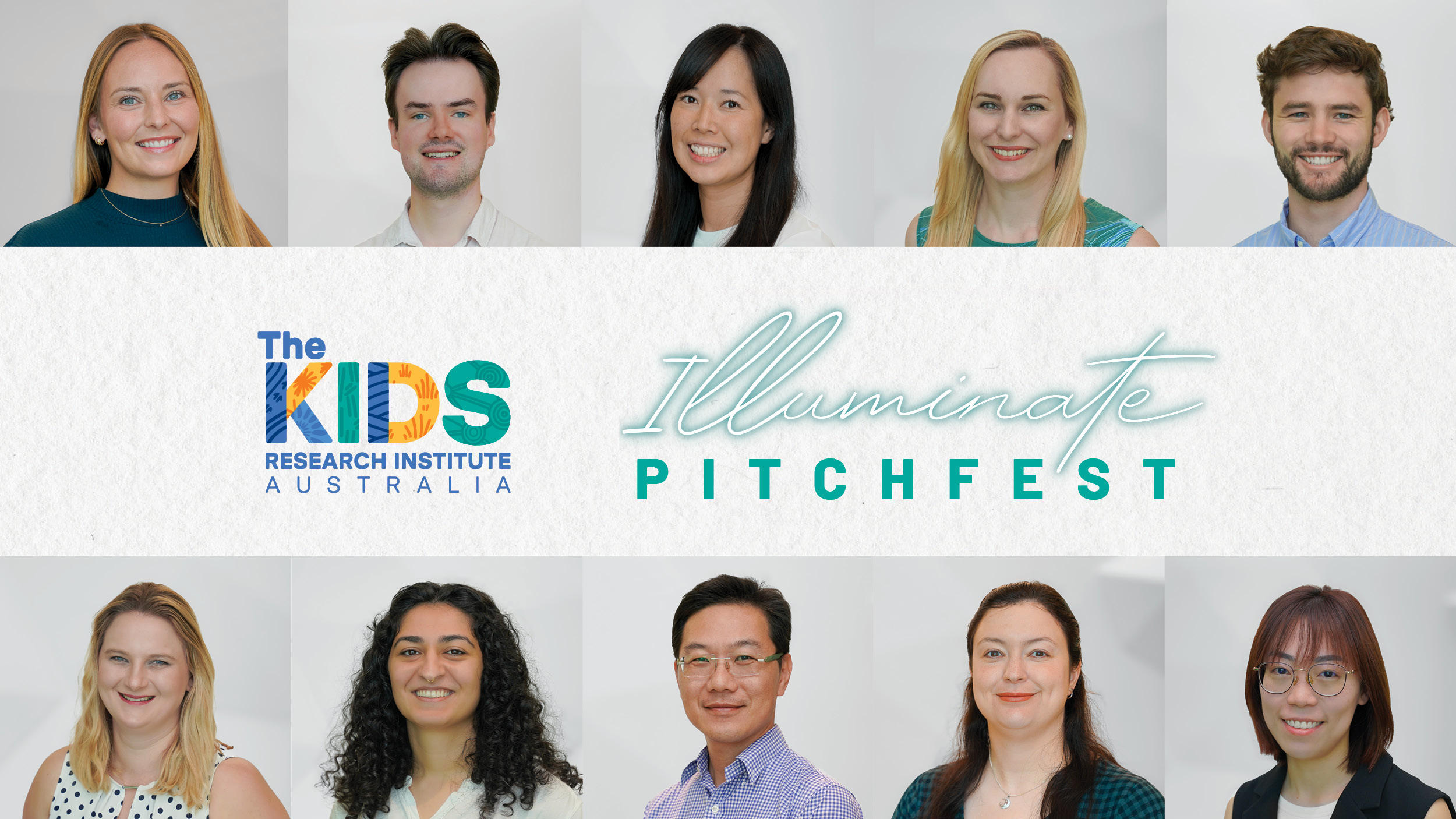
We are excited to introduce ten trailblazing researchers who will be taking to the stage this February to pitch their bold and innovative ideas to our philanthropic community.
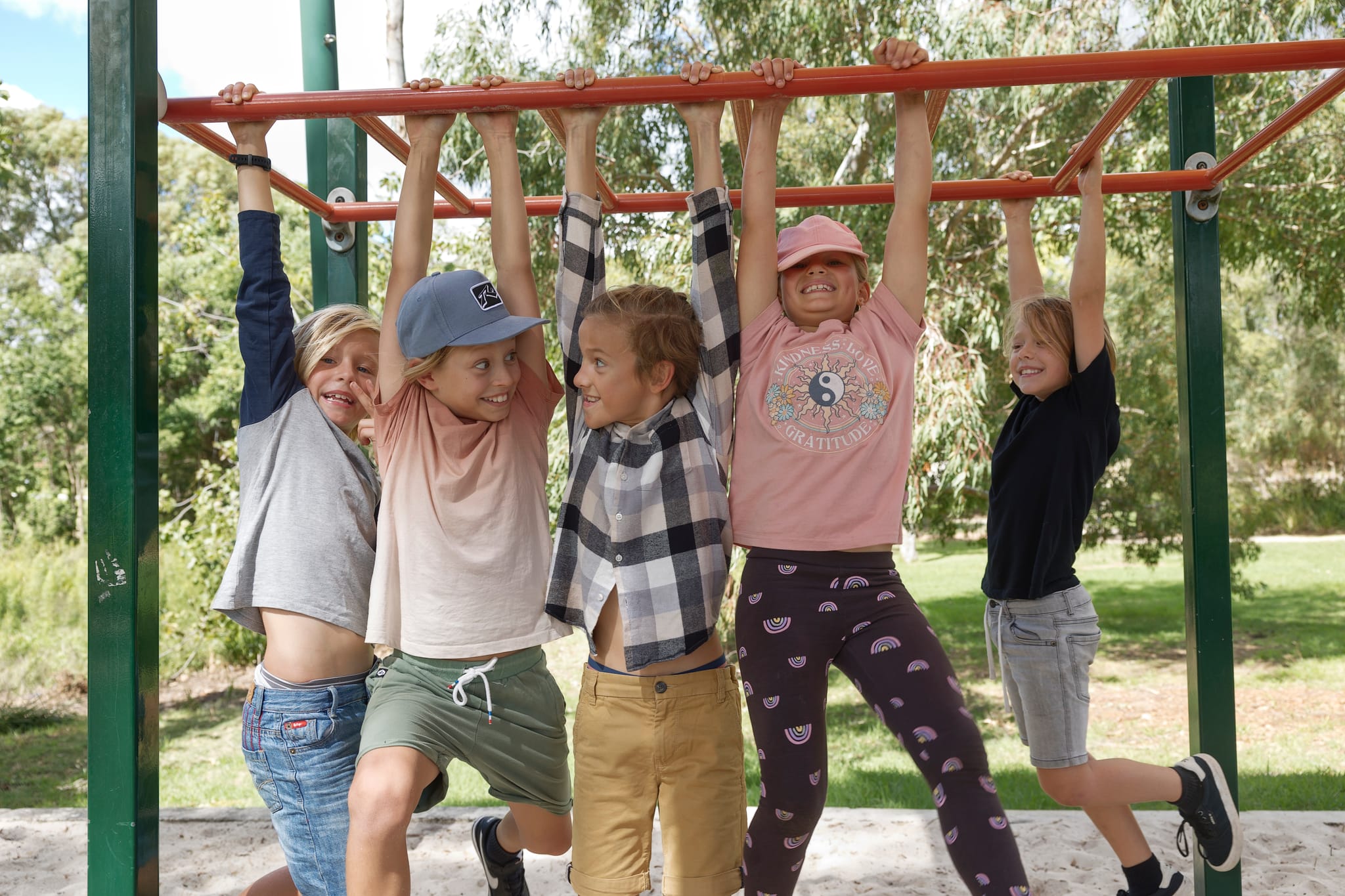
Projects to improve outcomes for leukaemia patients and reduce skin cancer rates in young Aboriginal people have received funding through Cancer Council WA.
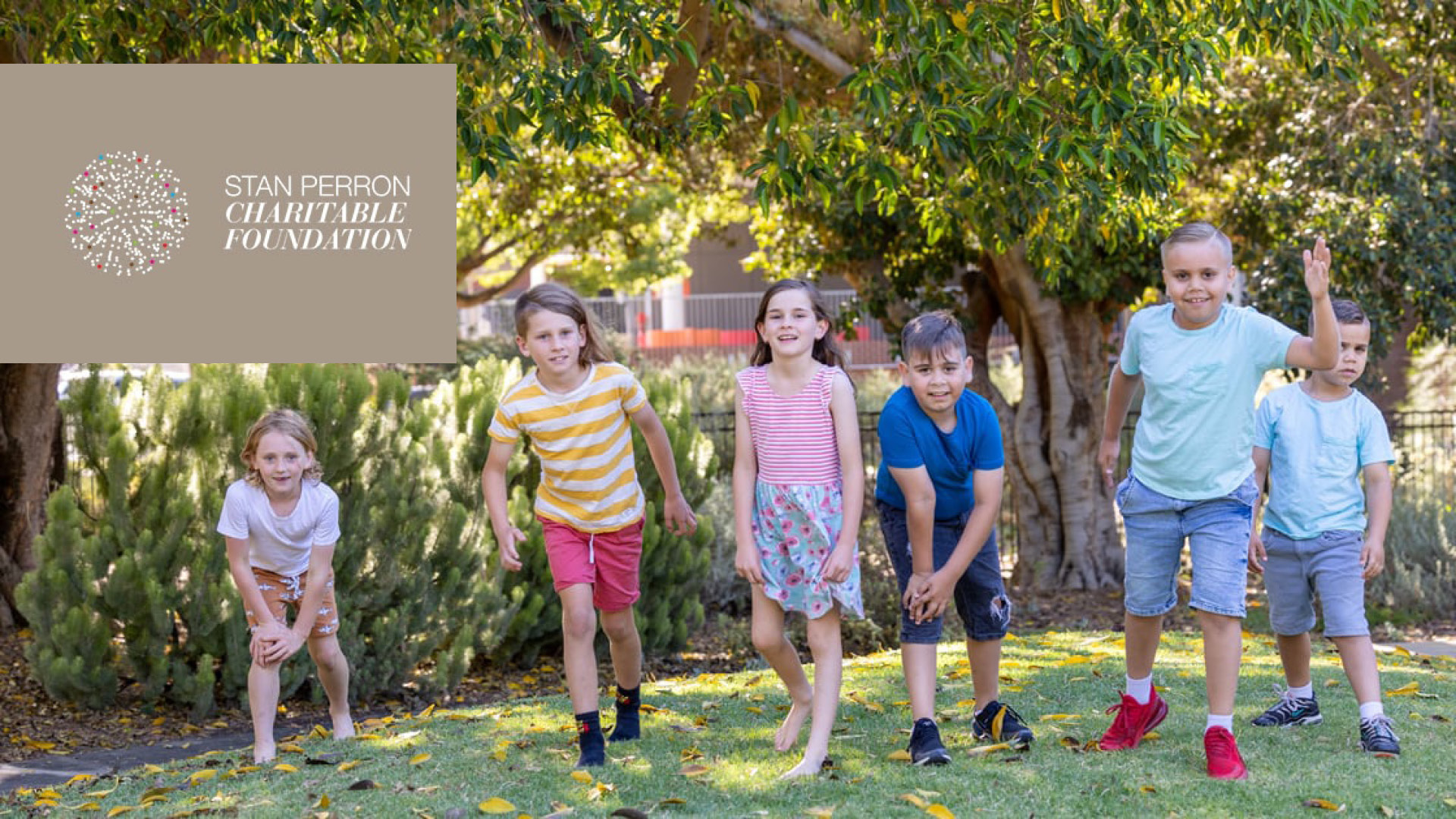
Funding from the Stan Perron Charitable Foundation will support world class researchers at The Kids Research Institute Australia to improve the health and wellbeing of WA children facing serious health challenges.
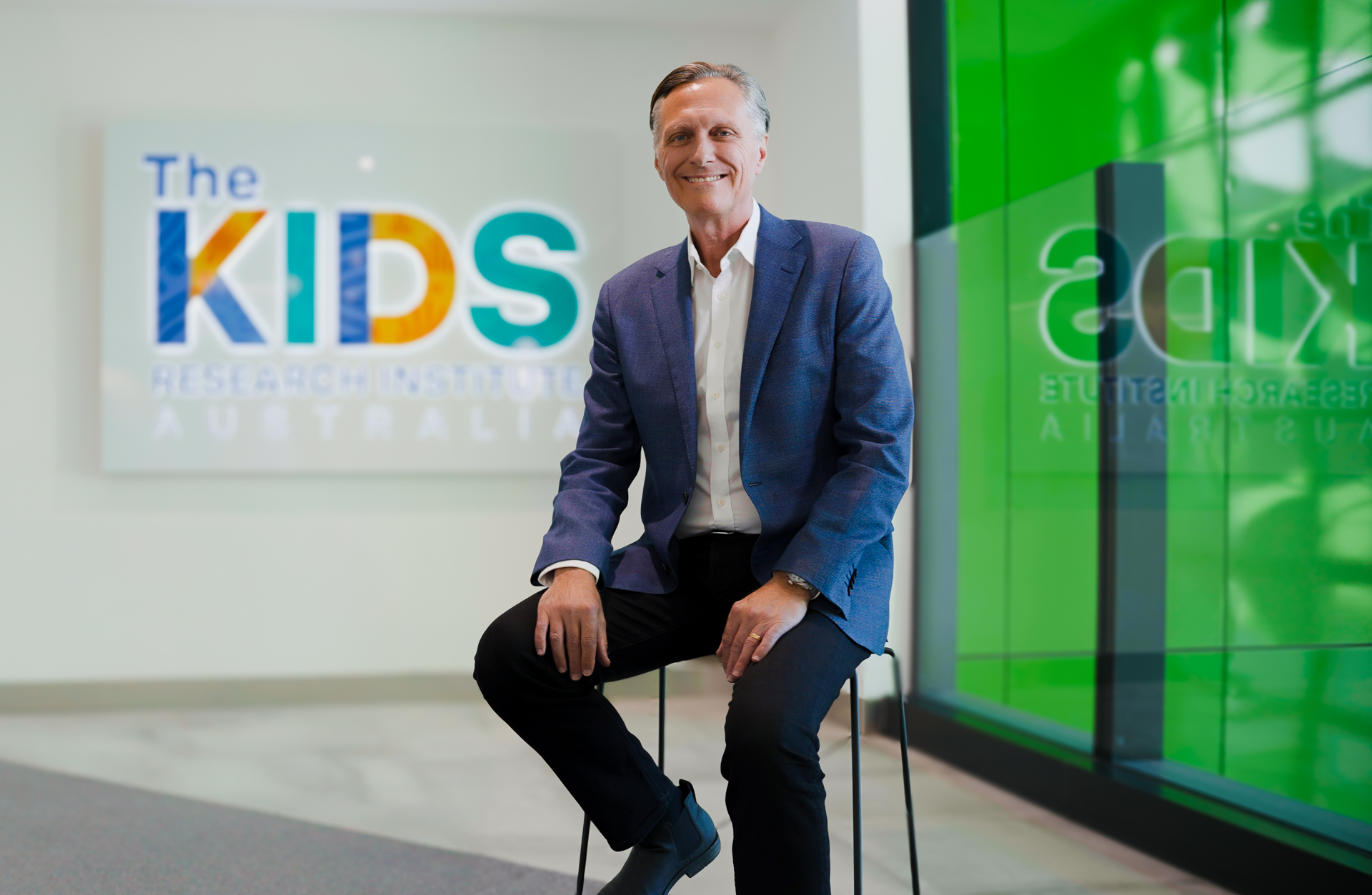
The Australian Government has appointed the National Health and Medical Research Council (NHMRC) Council for 2024 to 2027.
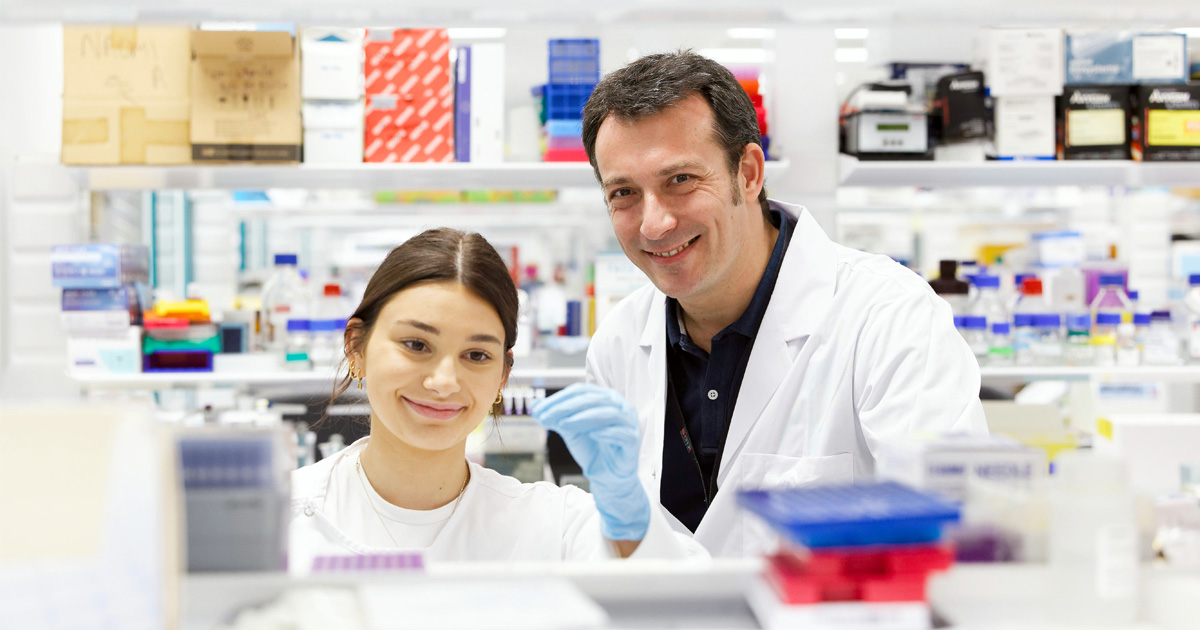
A team of world-leading scientists has secured $5 million in funding from the Leukaemia and Lymphoma Society to advance the fight against leukaemia in children with Down syndrome.
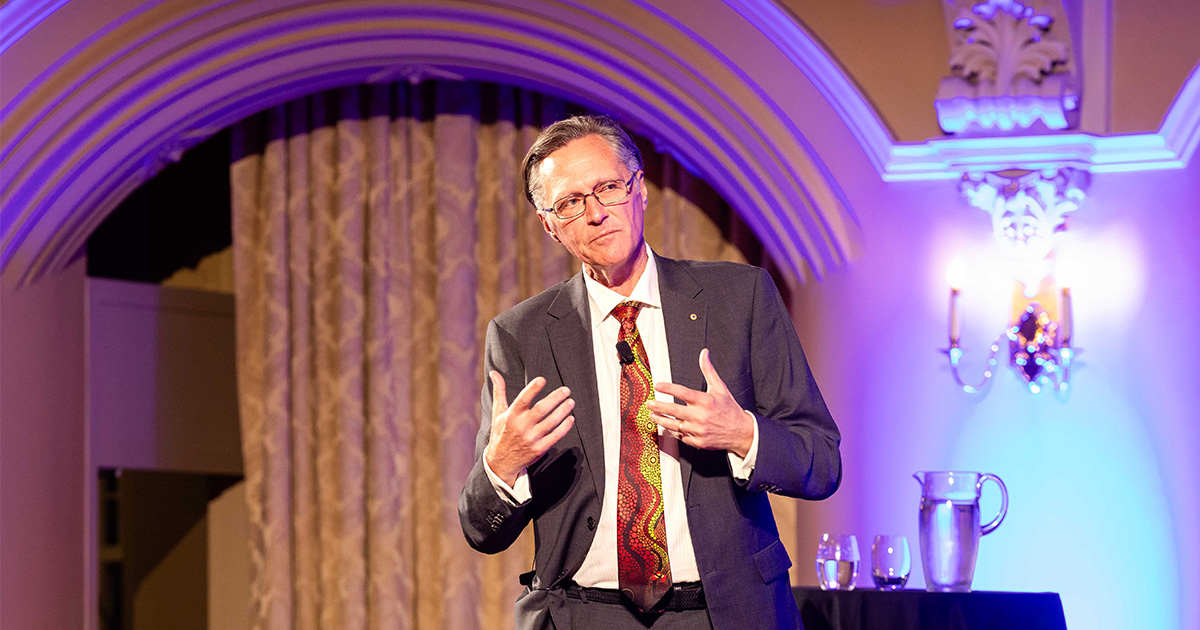
In Perth, The Kids Research Institute Australia is spearheading global efforts to tackle this insidious bacterium and reduce its impact on kids’ health.
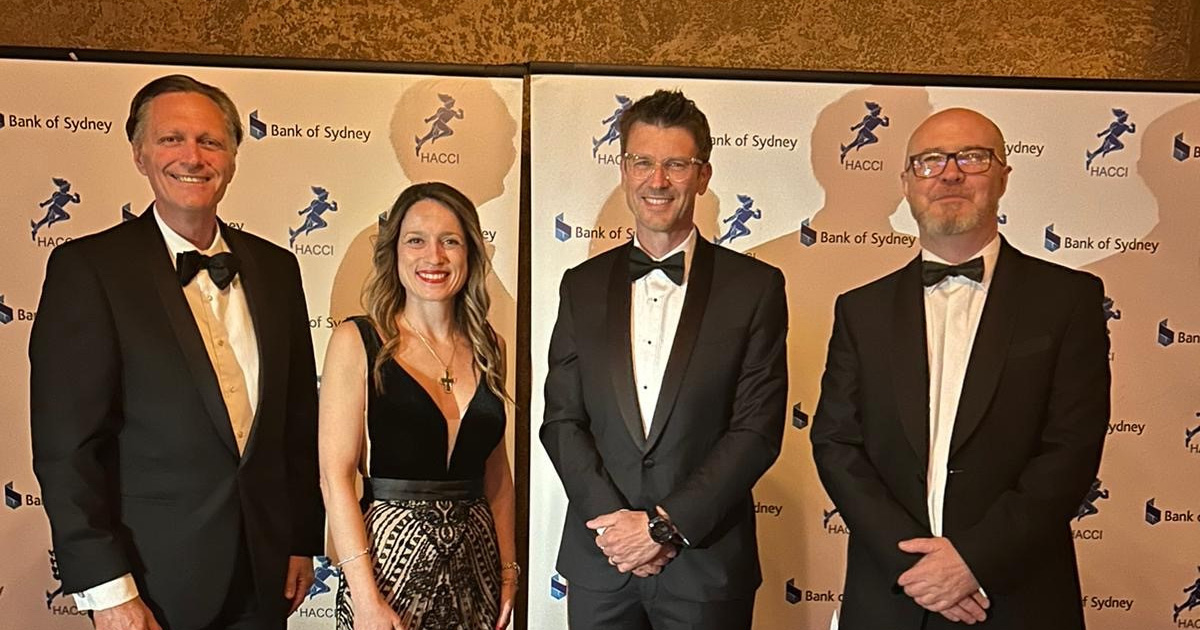
Professor Jonathan Carapetis AM, has been recognised as an outstanding member of the Greek diaspora in Australia for his longstanding excellence and leadership within the health and medical research sector.

More than two decades of research, modelling and collaboration to develop safe and effective RSV immunisations has led to a major Federal Government roll-out of a respiratory syncytial virus (RSV) immunisation program for all pregnant women and newborn babies in 2025.