
Search
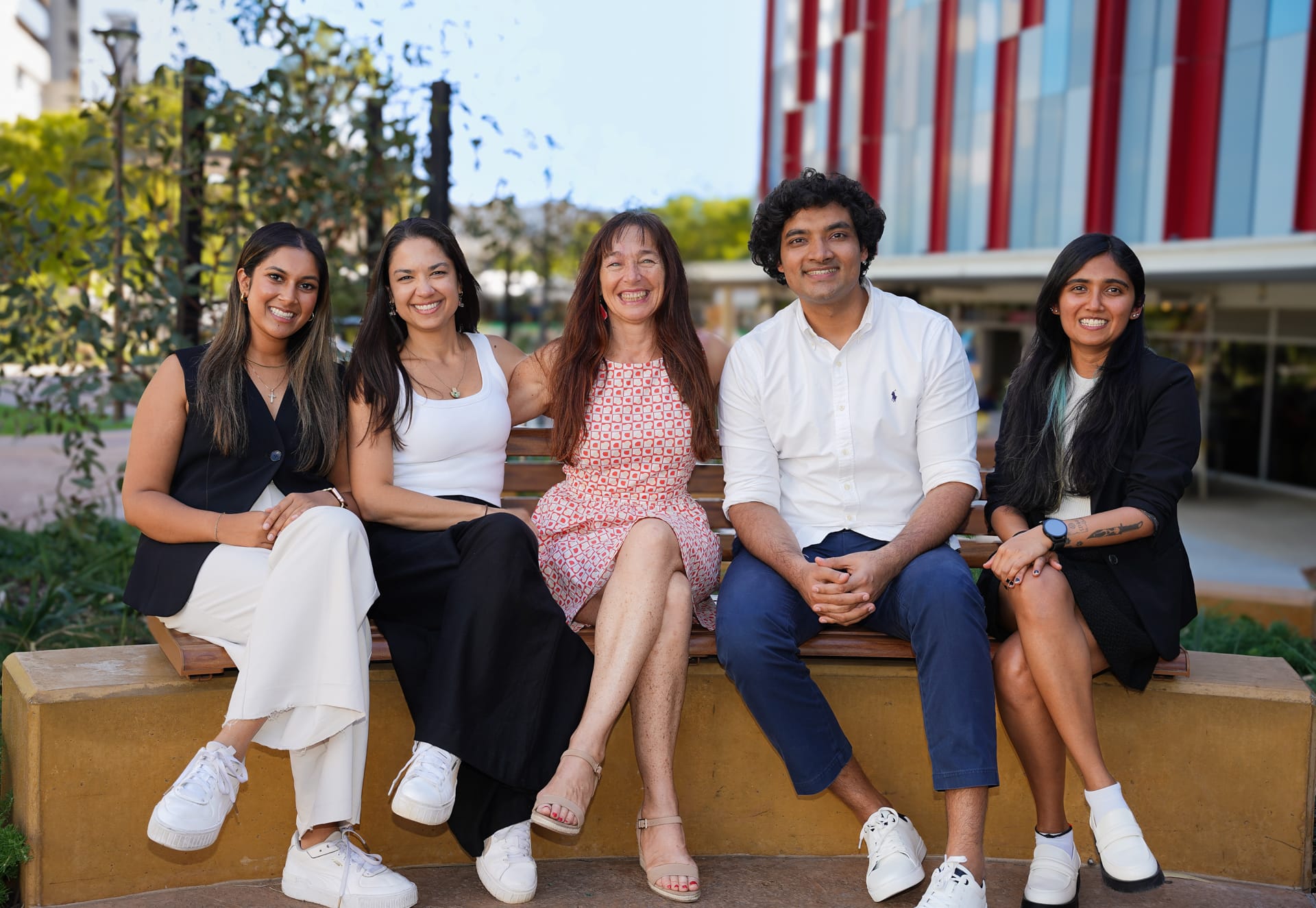
In celebration of World Breastfeeding Week (August 1-7), we're thrilled to share our latest research that's revolutionising our understanding of breast milk and supporting breastfeeding mothers.
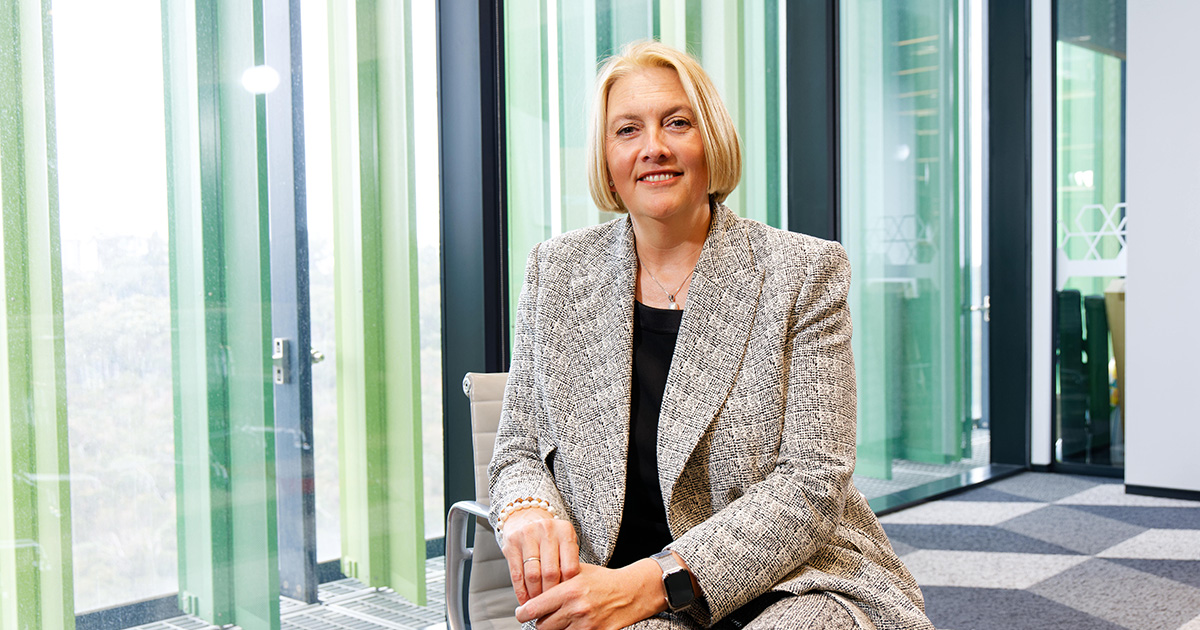
Business leader Naomi Flutter has been appointed Chair of The Kids Research Institute Australia.
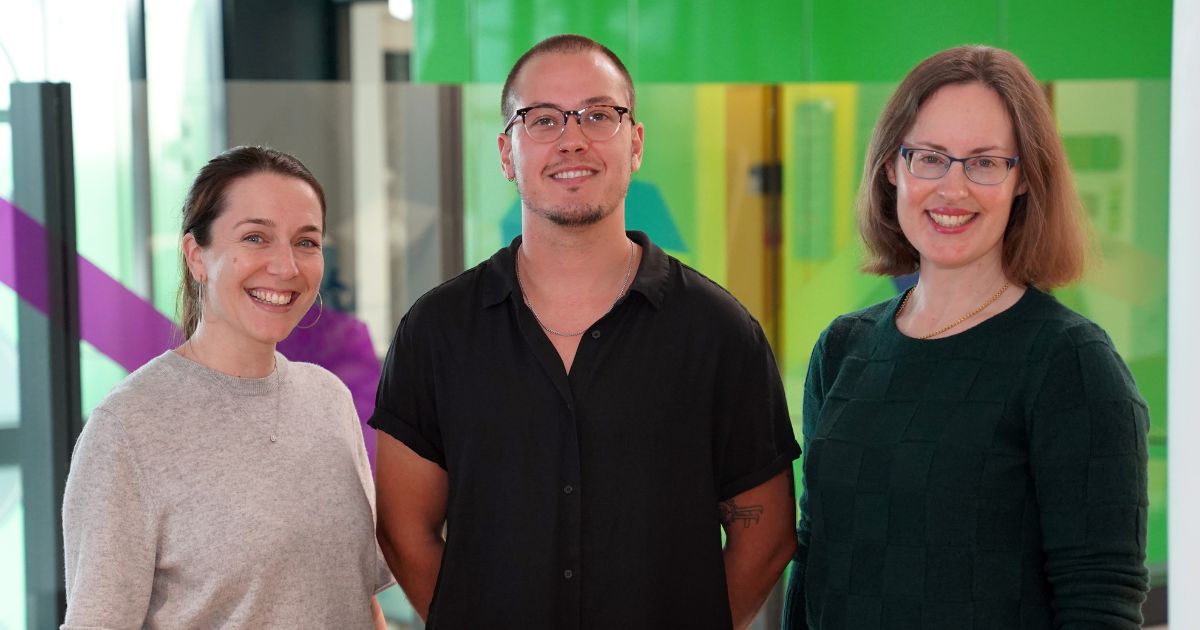
A project that aims to understand and support the mental health of Australians with complex gender-affirmation experiences has received the $150,000 Embrace Big Idea Grant for 2024.
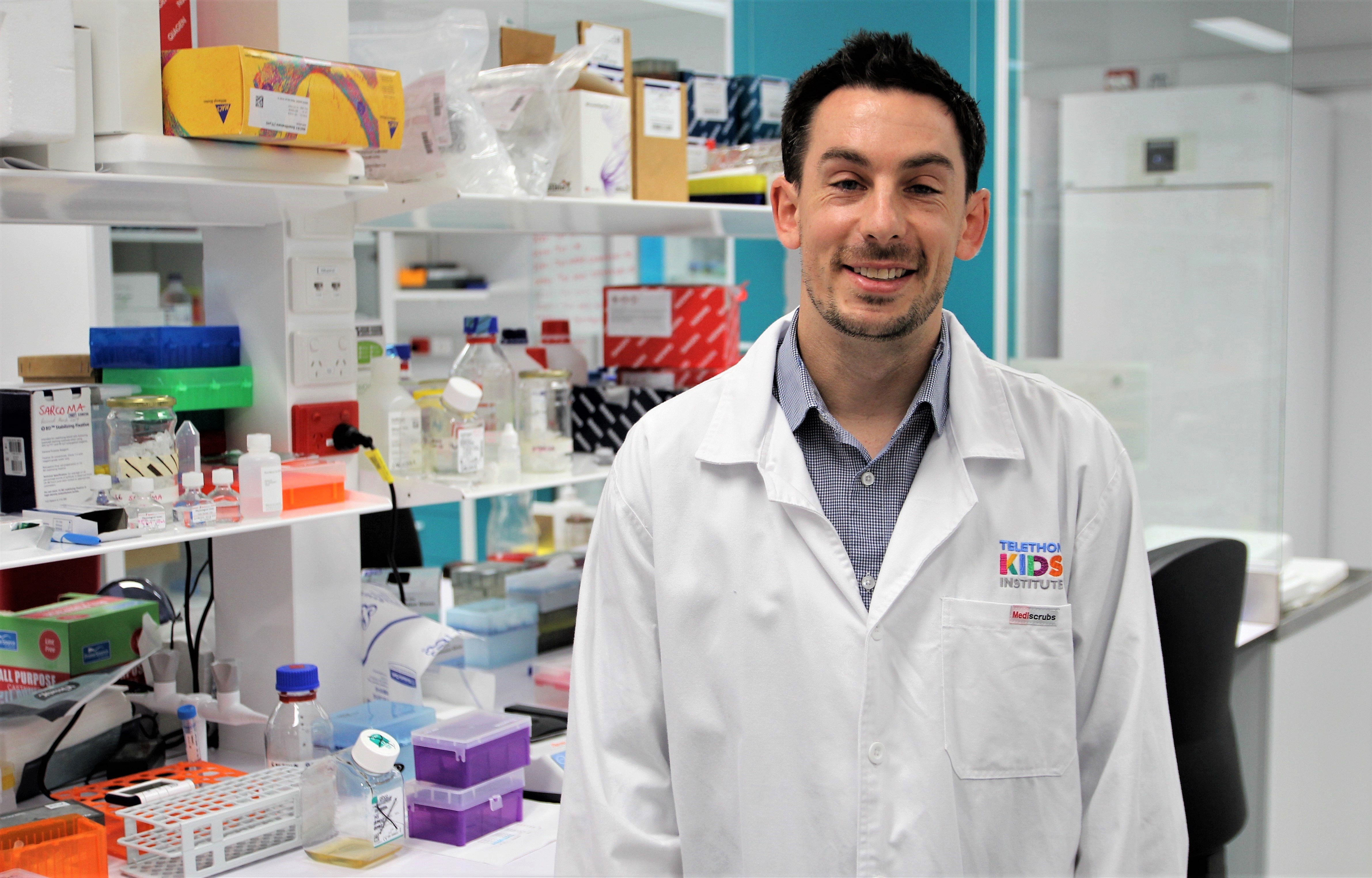
Cure Cancer and The Kids Research Institute Australia researcher Dr Ben Wylie announced new potential treatment in time for Childhood Sarcoma Awareness month.
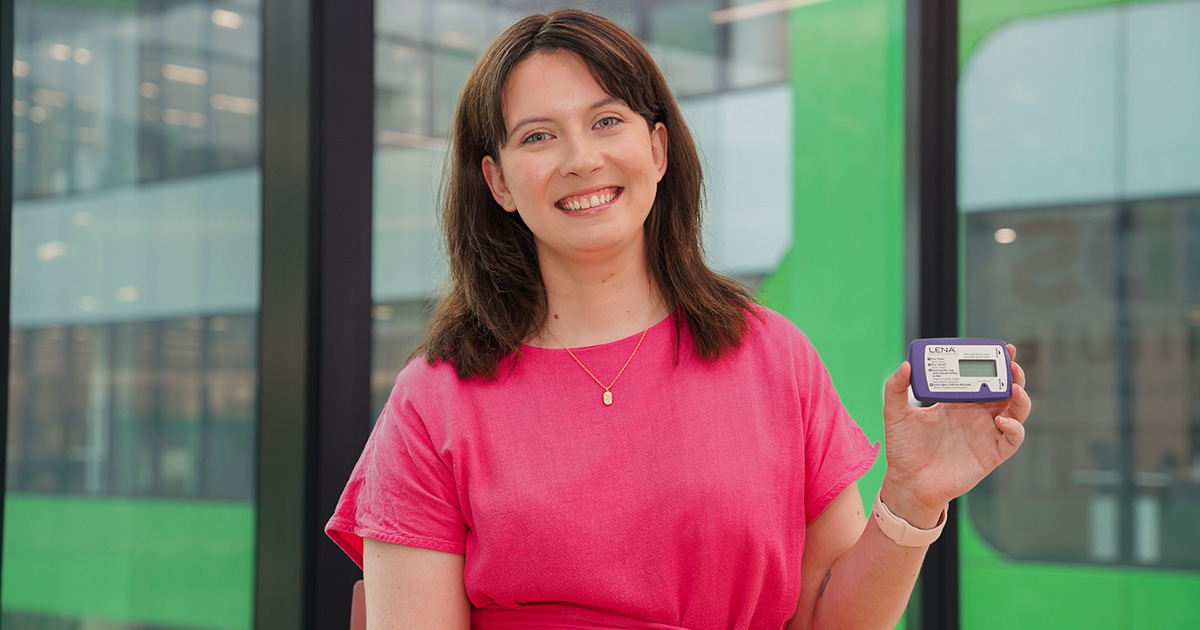
A The Kids Research Institute Australia researcher whose PhD studies highlighted the link between screen time exposure and toddlers’ language development has been named a finalist in South Australia’s Science Excellence and Innovation Awards.
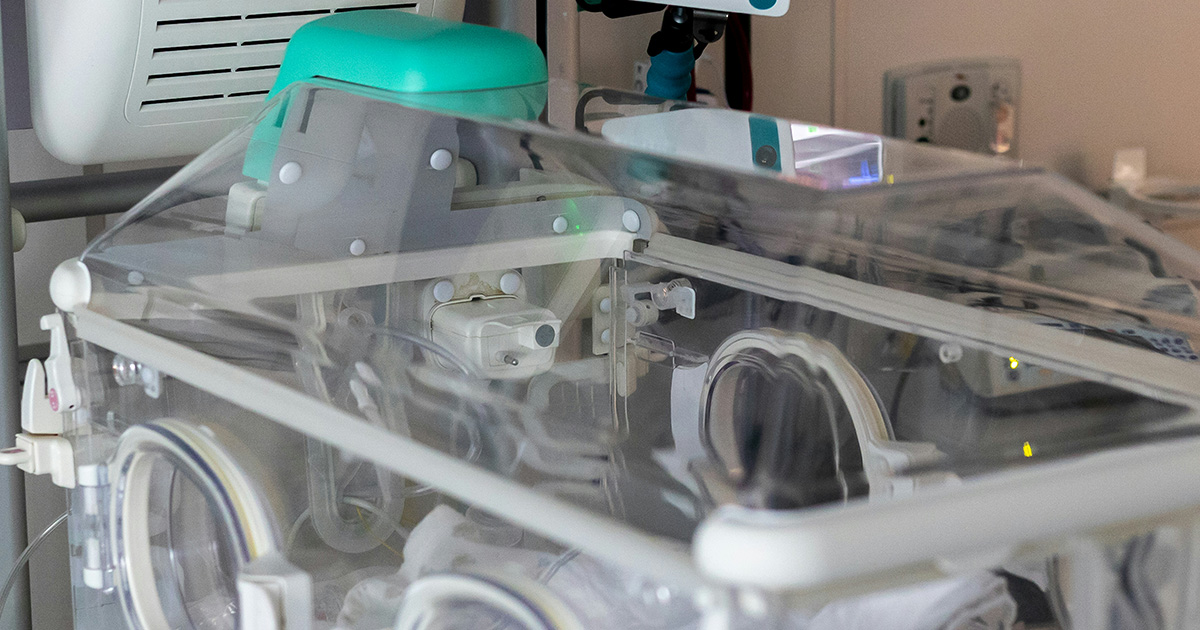
The mental health and wellbeing of new fathers whose children end up in neonatal intensive care is the focus of a new project to be led by The Kids Research Institute Australia researchers, thanks to a $388,000 grant from Healthway.
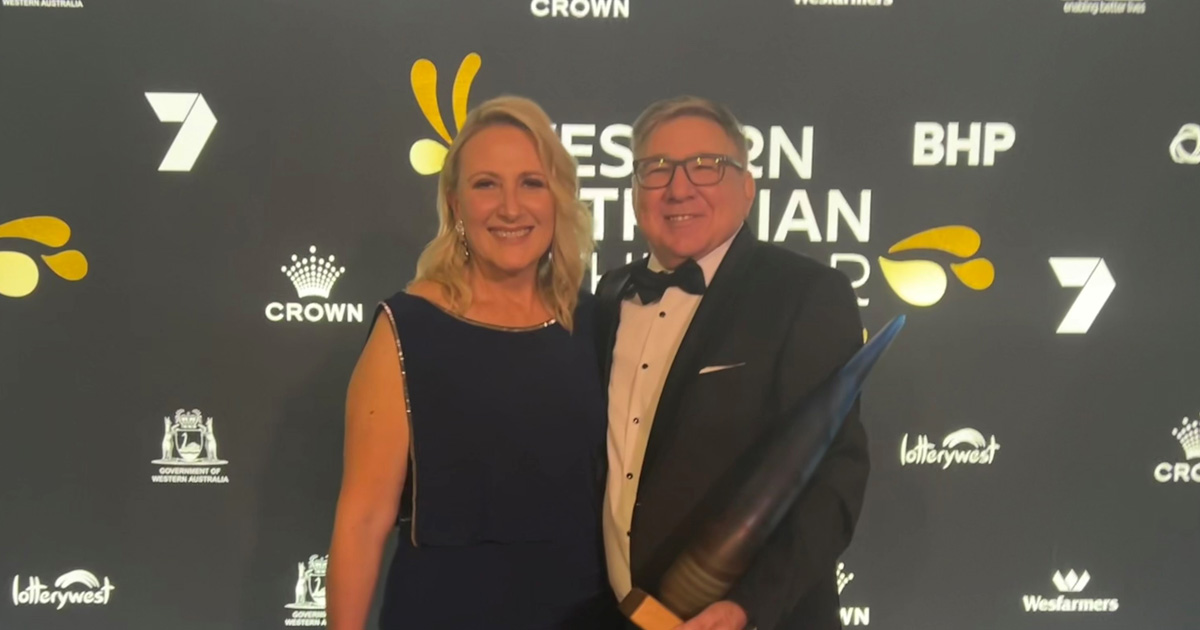
The Kids Research Institute Australia extends its warmest congratulations to health consumer champion Mitch Messer, who won the Community category at the 2024 West Australian of the Year awards last night.

The Kids Research Institute Australia autism researcher Professor Andrew Whitehouse has been inducted as a Fellow to the International Society for Autism Research (INSAR), making him just the fourth Australian to be bestowed the honour.
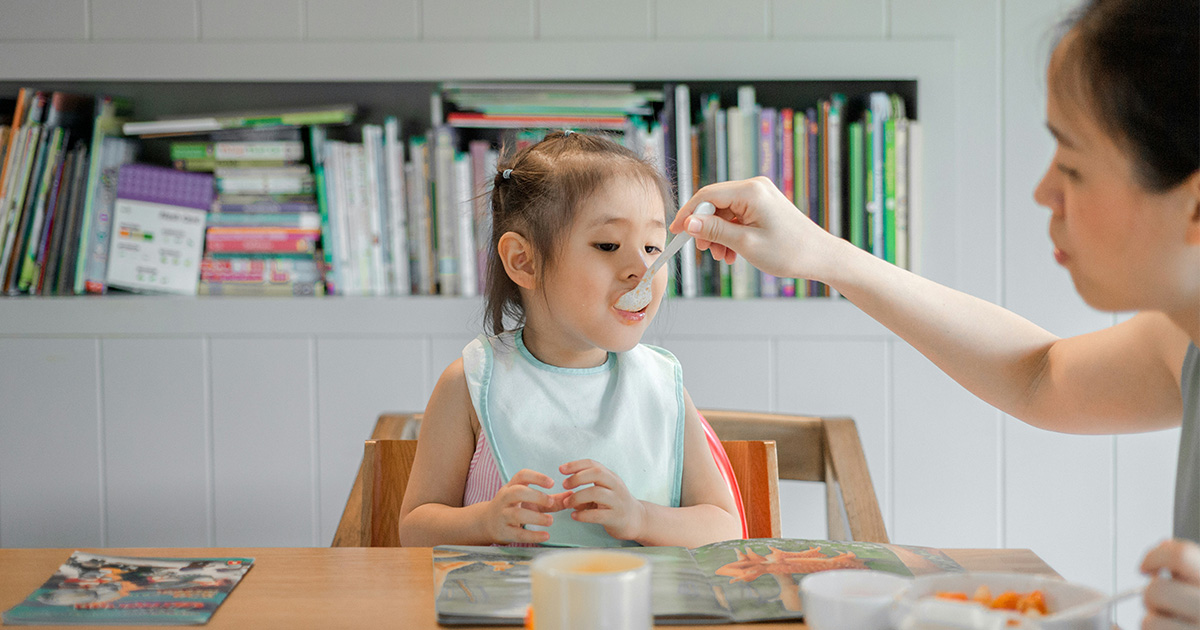
Mothers eating a diet rich in peanuts while breastfeeding might be helping to reduce their baby’s risk of developing a peanut allergy – that’s the hypothesis of a new clinical trial that has been granted $2.29 million in funding by the National Health and Medical Research Council (NHMRC).

A promising new treatment pioneered in Western Australia for people with cystic fibrosis has commenced testing in a clinical trial in the United States and Australia.