
Search
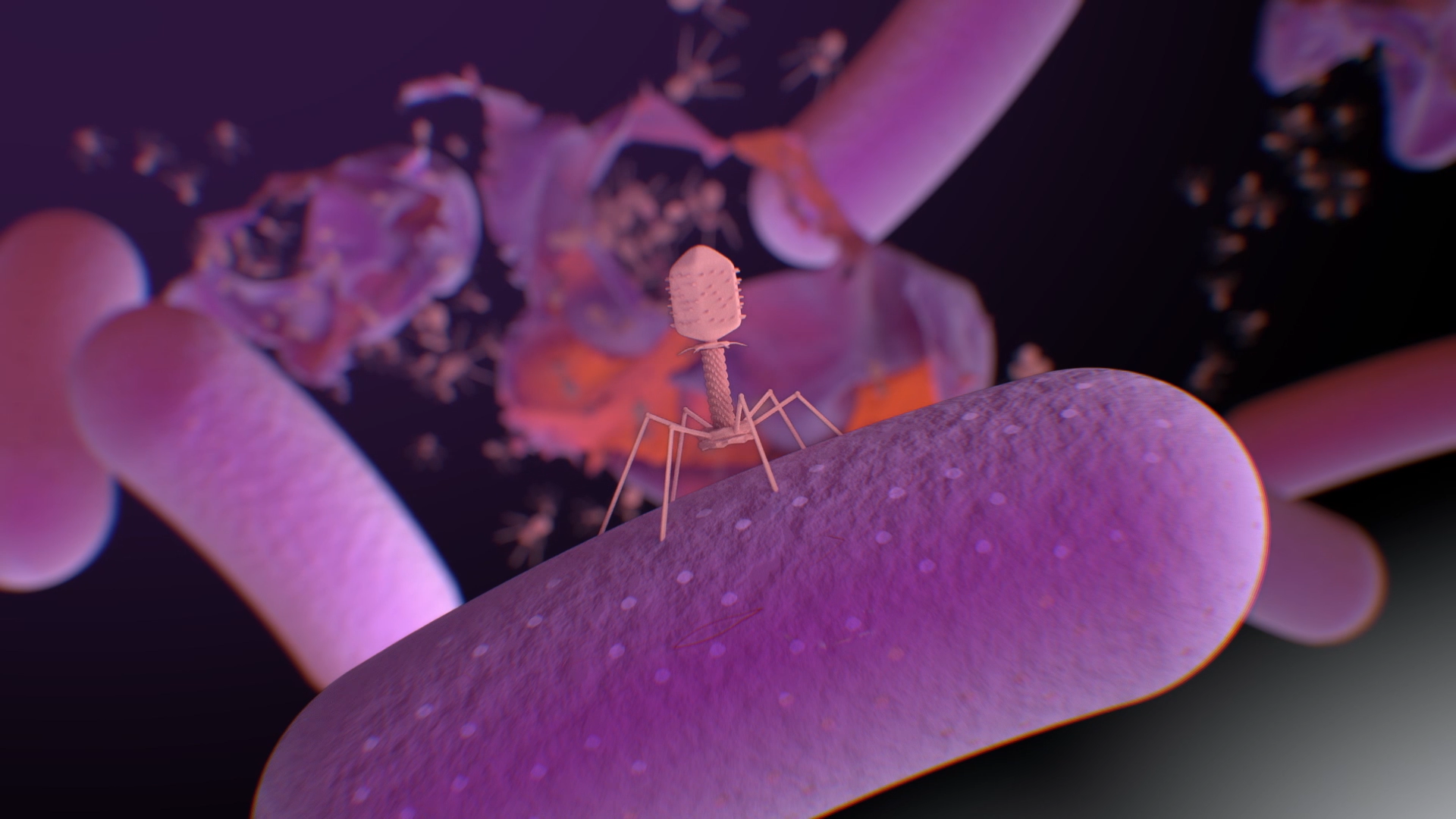
Find out how you can get involved with our work at Phage WA.
As a not-for profit child health research organisation we rely on the generosity of our partners, communities and supporters to improve the health, development and lives of children through excellence in research.

The Journey Together initiative aims to improve the life trajectories for Aboriginal children across three sites in Western Australia – Port Hedland, Newman and Perth.
Research
Cardiometabolic Biomarkers and Prediction of Kidney Disease Progression: The eGFR Cohort StudyTraditional markers modestly predict chronic kidney disease progression in Aboriginal and Torres Strait Islander people. Therefore, we assessed associations of cardiometabolic and inflammatory clinical biomarkers with kidney disease progression among Aboriginal and Torres Strait Islander people with and without diabetes.
Research
A primary cell model of the very preterm epithelium reveals barrier defects at 1 year of ageLimited evidence suggests that airway epithelial structure and function is disrupted in very preterm infants; however, the epithelial morphology and physiology has not been well characterised following discharge from neonatal intensive care. This study aimed to characterise the nasal airway epithelium from 1-year-old survivors of very preterm birth.
Research
Understanding parental decisions to decline or delay infant RSV immunisation, nirsevimab, in Western Australia in 2024In 2024, the government of Western Australia introduced 'nirsevimab', a monoclonal antibody offering protection from respiratory syncytial virus (RSV), for eligible infants. This study explores why parents of infants who were eligible to receive nirsevimab opted to decline or delay the immunisation.
Research
Prevalence of type 2 diabetes among global Indigenous adult populations: a systematic reviewDespite evidence documenting high prevalence of type 2 diabetes among several Indigenous populations, a comprehensive systematic review of type 2 diabetes among global Indigenous Peoples has not been recently conducted. Our aim was to report region-, time-, age- and sex-specific type 2 diabetes prevalence among Indigenous adult populations globally.
Research
Methicillin-resistant Staphylococcus aureus and vancomycin-resistant Enterococcus faecium infections in children in the Oceania regionAntimicrobial resistance poses a significant threat to children's health, with up to 20% of 1.27 million deaths attributable to bacterial AMR annually, occurring in children <5 years. The WHO 2024 Bacterial Priority Pathogens List identifies methicillin-resistant Staphylococcus aureus (MRSA) and vancomycin-resistant Enterococcus faecium (VRE) as critical pathogens. This review examines the epidemiology, treatment recommendations, dosing strategies, efficacy, and safety data for antibiotics targeting MRSA and VRE infections in children in Oceania.
At The Kids Research Institute Australia, we've been thinking of the kids for 35 years. We are finding the answers to some of the biggest problems facing the health and wellbeing of children and families. Our Research Themes host defined programs of work where the Institute has clear strengths and capacity. Our overarching commitment to First Nations Health and Equity is embedded across all our work and features as a core consideration in each Research Theme. The Institute is committed to ending the disparity in health and wellbeing outcomes between Aboriginal and non-Aboriginal kids and families.
Research
Host Immune Response to ScabiesScabies infection is associated with heightened total IgE immunoglobulin and IgE antibodies to scabies antigens, with both being extremely high for crusted scabies patients. The IgE antibodies cross-react with house dust mite allergens with high reactivity found to the minor allergen arginine kinase.