
Search
Research
Amplitude-integrated electroencephalography compared with conventional video-electroencephalography for detection of neonatal seizuresBackground: Conventional video-electroencephalography (cEEG) is the reference standard for diagnosing and managing neonatal seizures. However, continuous bedside cEEG services are not available in most neonatal units. Hence, an alternative and relatively simple method called amplitude-integrated EEG (aEEG), which uses a limited number of scalp electrodes, has become popular. aEEG allows continuous bedside monitoring of the electrical activity of the brain in neonates.
Research
Tumor site-directed A1R expression enhances CAR T cell function and improves efficacy against solid tumorsCitation: Sek K, Chen AXY, Cole T, Armitage JD, Tong J, ……… Waithman J, Parish IA, et al. Tumor site-directed A1R expression enhances CAR T cell
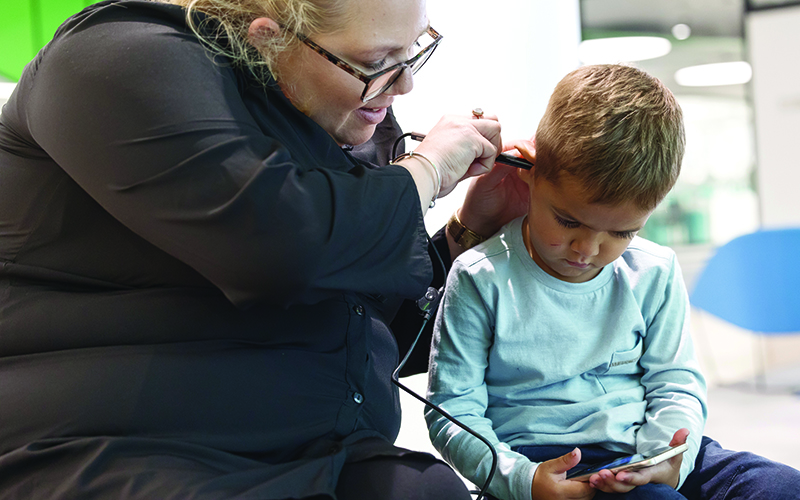
An innovative The Kids program is helping to slash waiting times so children can have their ear problems checked within days.
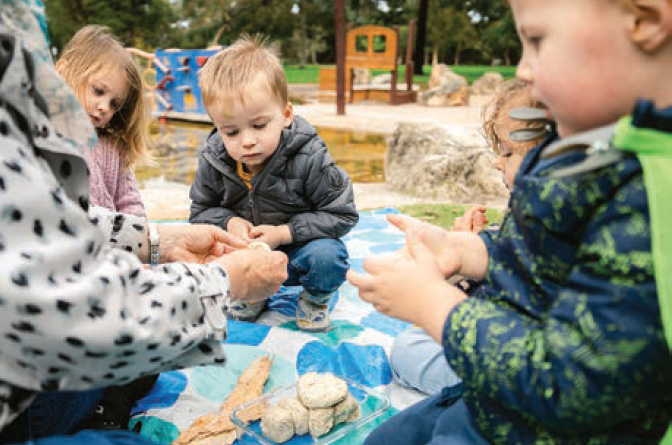
The ORIGINS Project is a decade-long longitudinal study of more than 18,000 individuals including mothers, partners and children, as part of a collaboration between The Kids Research Institute Australia and Joondalup Health Campus.
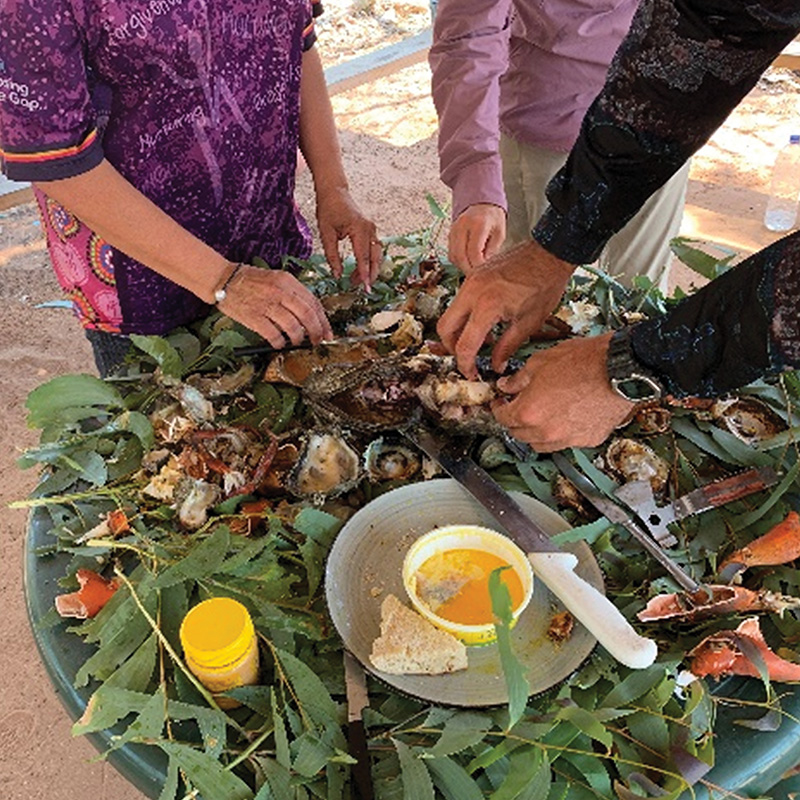
Researchers are collaborating with Community Elders to find out how bush tucker and traditional food can improve the health of Aboriginal children.
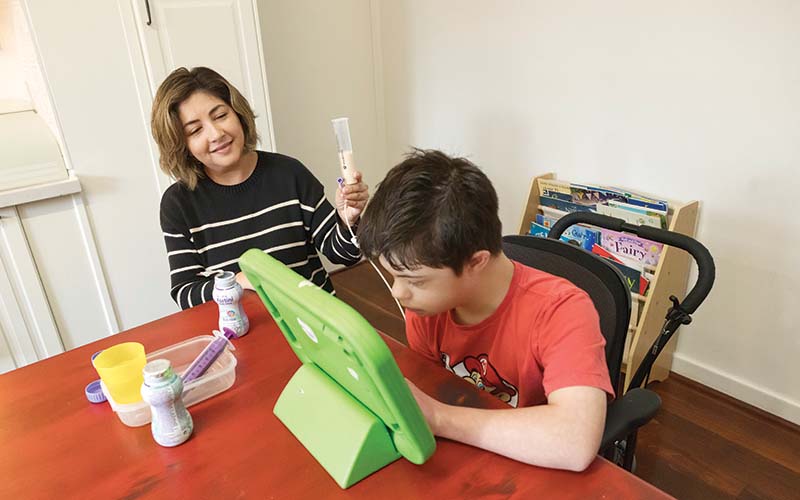
For thousands of children around Australia with intellectual and other disabilities, the process of eating can be traumatic, posing challenges that veer from uncomfortable to life threatening.
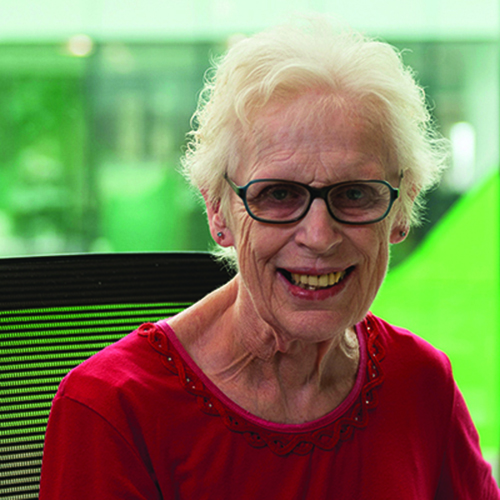
The Kids Research Institute Australia disability researcher, Associate Professor Helen Leonard, played an important role in the identification of the differences that define CDD, thanks to her extensive experience researching Rett syndrome and running an Australian online database tracking Rett cases.

The Walkern Katatdjin (Rainbow Knowledge) project has produced a suite of resources to help services become more inclusive.
Research
The application of environmental health assessment strategies to detect Streptococcus pyogenes in Kimberley school classroomsChildren spend almost one-third of their waking hours at school. Streptococcus pyogenes (Strep A) is a common childhood bacterial infection that can progress to causing serious disease. We aimed to detect Strep A in classrooms by using environmental settle plates and swabbing of high-touch surfaces in two remote schools in the Kimberley, Western Australia.
Research
“That's not fair on my kid”: Carers' perspectives on sport participation and experiences for children in out-of-home careChildren in out-of-home care participate in less organised sport than children from other household structures, potentially reducing opportunities for improvements in social, developmental, and health outcomes. Despite this, little is known about barriers and facilitators of sport participation for children in care. We aimed to explore carers' perspectives on the influences on children in care's participation and experiences in organised sport.