
Search

A new research study conducted by Professor Jeneva Ohan and Dr Keely Bebbington aims to develop our understanding of how adolescents navigate these disclosure decisions, and how we can support them to feel more confident when talking to others about their diabetes.
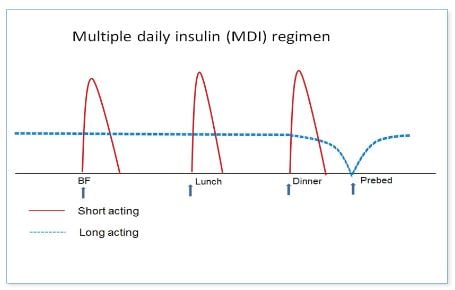
Flexible insulin therapy
Research
Maltreatment risk among children with disabilitiesSupports are needed for families with children with disabilities to assist in meeting the child's health and developmental needs, but also to support the parents in managing the often more complex parenting environment.
Research
Clinical and biological progress over 50 years in Rett syndromeReview of the clinical and biological progress over 50 years in Rett Syndrome
Research
End-inspiratory molar mass step correction for analysis of infant multiple breath washout testsWe aimed to evaluate the use of the EIMM-step method in a broad range of infants.
Research
The Secret Life of Your Microbiome: Why Nature and Biodiversity are Essential to Health and HappinessThe Secret Life of Your Microbiome shatters this deeply held myth, presenting a revolutionary new paradigm, backed by vast science
Research
Maternal Race-Ethnicity, Immigrant Status, Country of Birth, and the Odds of a Child With AutismIn this study, we used 134 204 mother population to examine the odds of ASD with intellectual disability in children from 1994 to 2005 with these features
Research
Lung function in African infants in the Drakenstein child health study impact of lower respiratory tract illnessEarly life lower respiratory tract illness impairs lung function at 1 year, independent of baseline lung function
Research
Key paediatric messages from the 2016 european respiratory society international congressIn this article, the Group Chairs of the Paediatric Assembly of the European Respiratory Society (ERS) highlight some of the most interesting abstracts presented at the 2016 ERS International Congress, which was held in London.
Research
Meningococcal serogroup B-specific responses after vaccination with bivalent rLP2086Assessment of the persistence of bactericidal antibodies up to 4 years after a three-dose schedule of bivalent rLP2086