The Advancing Innovation in Respiratory (AIR) Health Team is committed to improving respiratory health through big-data, cohort studies, and clinical trials. We aim to develop innovative ways to diagnose, prevent, and treat lung disease in early life to improve quality of life and reduce the overwhelming burden of disease on children, families, communities, and healthcare systems.
Through local, national and international collaborations, the team will accelerate innovation and translation of discoveries into clinical practice and policy.
The AIR Health Team has two major areas of focus: Cystic Fibrosis (CF) and Asthma.
Cystic Fibrosis (CF)
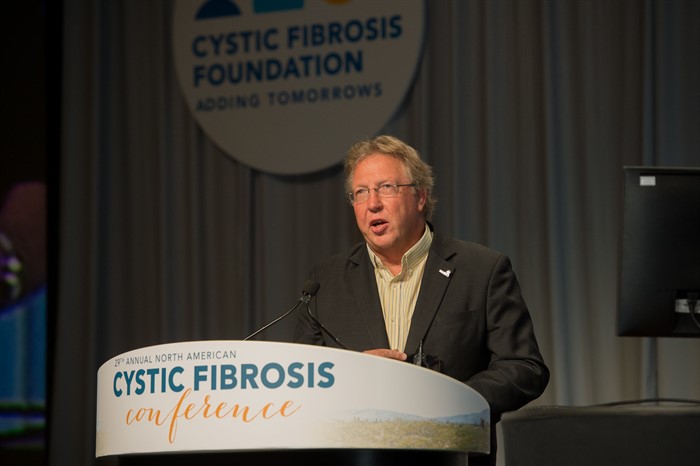
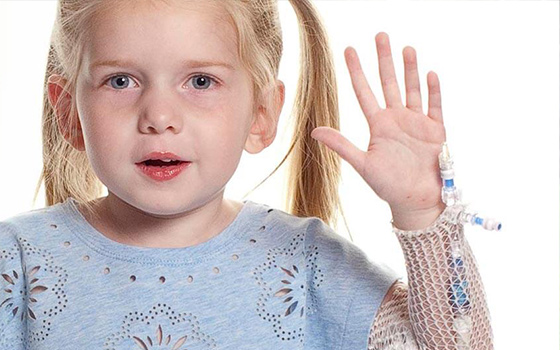
CF is the most common chronic, life-shortening genetic condition affecting Australians. To support both local and international research, the AIR Health Team hosts the BANK CF Biobank, a collection of biological samples and clinical data from CF studies. This resource enables research into CF and broader respiratory conditions, facilitating the development of new treatments and improving patient outcomes.
Asthma
Asthma and wheezing disorders are common in children, affecting up to 30% in Western Australia, and impose a significant burden on families and the healthcare system. The AIR Health Team uses data-driven approaches to improve care, focusing on early risk prediction, molecular pathways, and community burden. Key initiatives include developing an interferon-based diagnostic test to identify high-risk children, characterising cohort data for respiratory and allergic disease in early life, and characterising asthma prevalence and “treatable traits” in the community to guide resource allocation and optimise models of care.
Team leader

MD, PhD
Head, AIR Health Team
Advancing Innovation in Respiratory Health projects
Featured projects
RHINO
RHINO researchers from The Kids' Wal-yan Respiratory Research Centre, will analyse ORIGINS data and turn it into meaningful respiratory and allergy outcome data that can be used by researchers around the world.
SHIP CT: A Phase 3 randomised, double-blind, controlled trial of inhaled 7% hypertonic saline versus 0.9% isotonic saline for 48 weeks in patients with Cystic Fibrosis at 3-6 years of age in parallel with the North American SHIP clinical trial.
SHIP-CT, led by Professor Stephen Stick, Director of the Wal-yan Respiratory Research Centre at The Kids, is a unique study in preschool-aged children (from 3-6 years of age) with CF using images of the lung from chest CT scans as the main outcome measure.